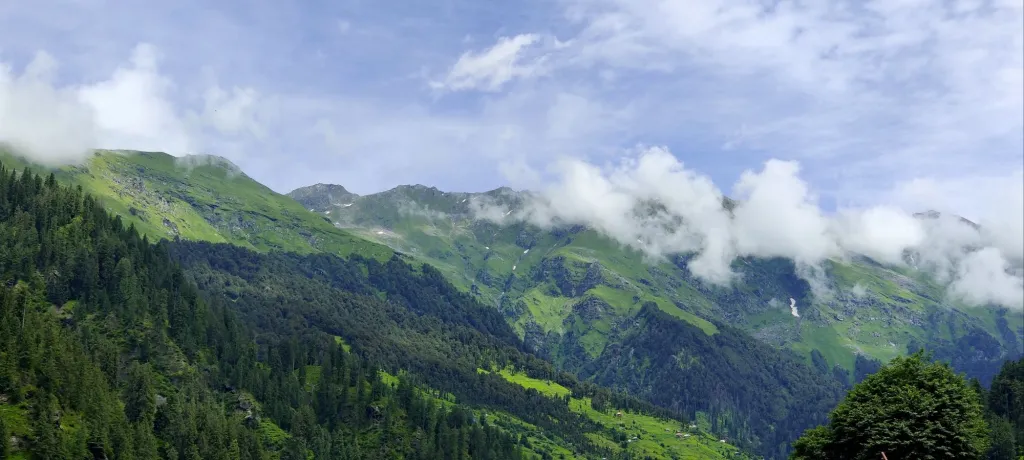
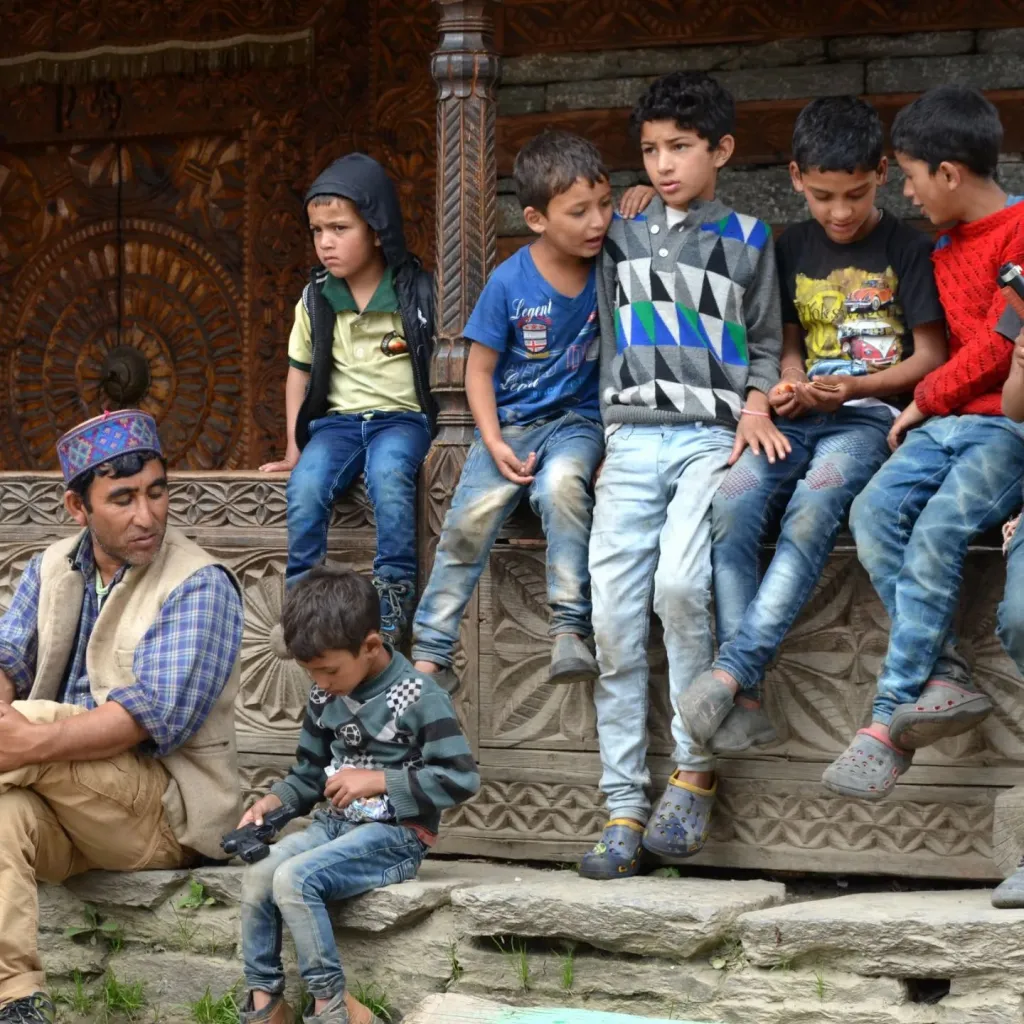
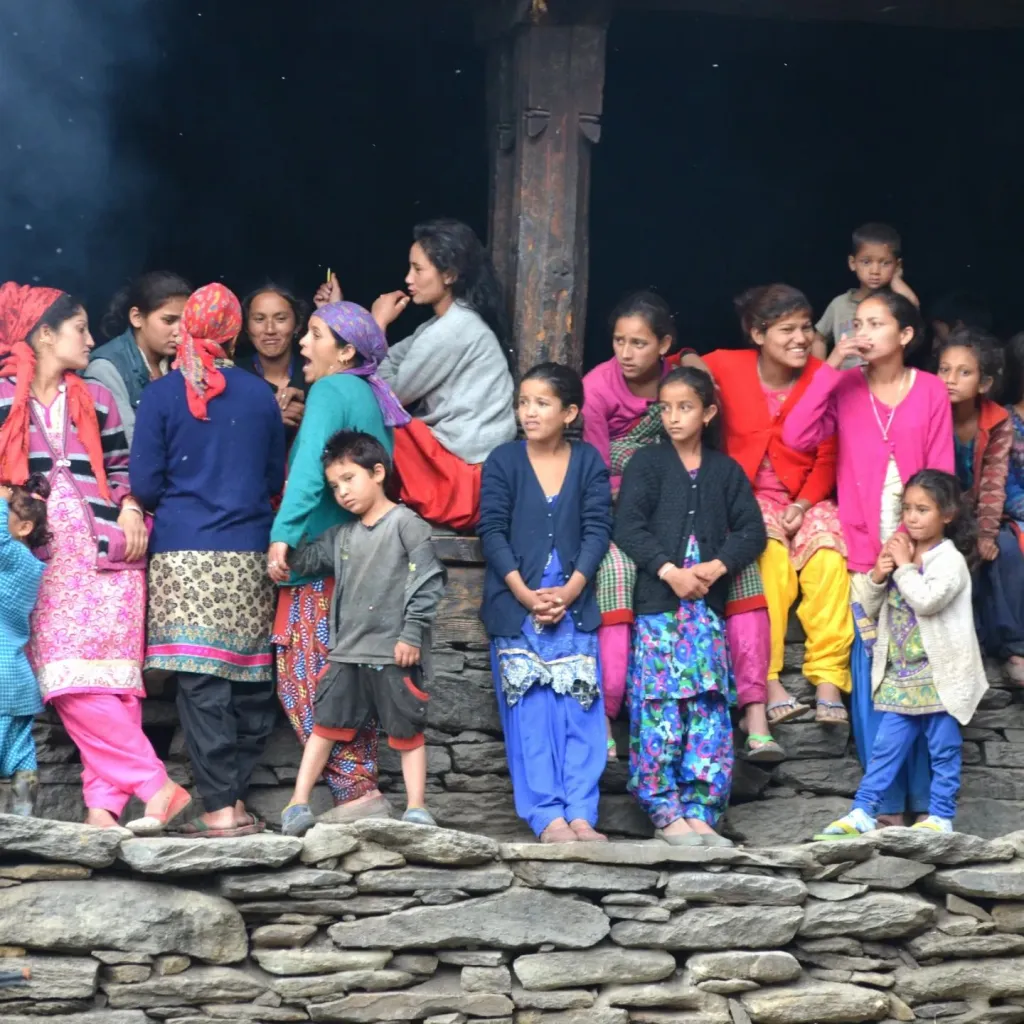
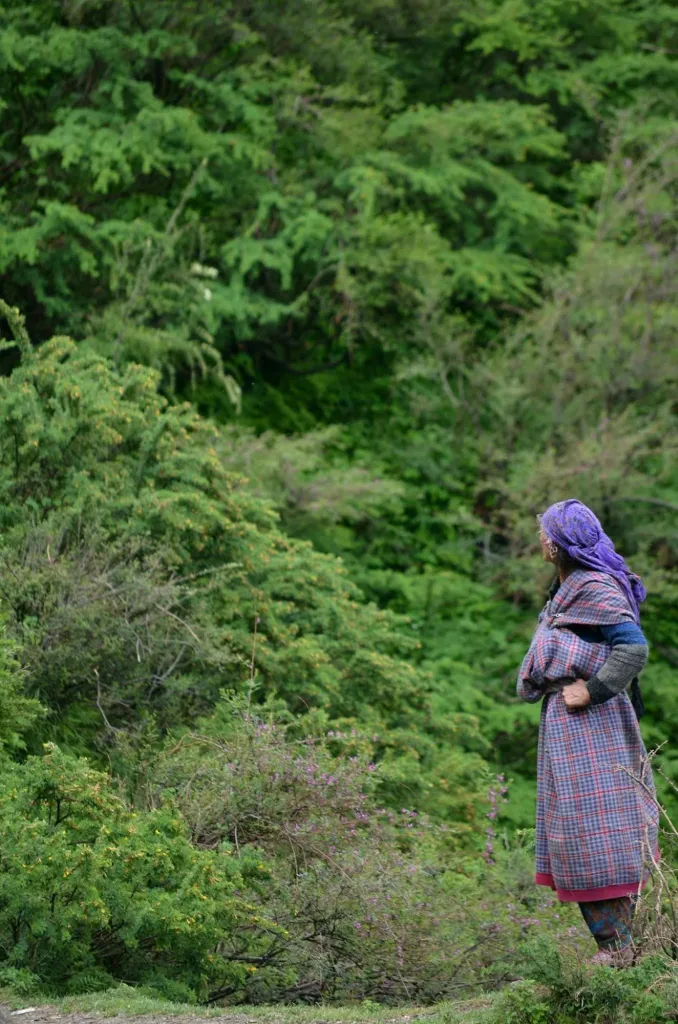
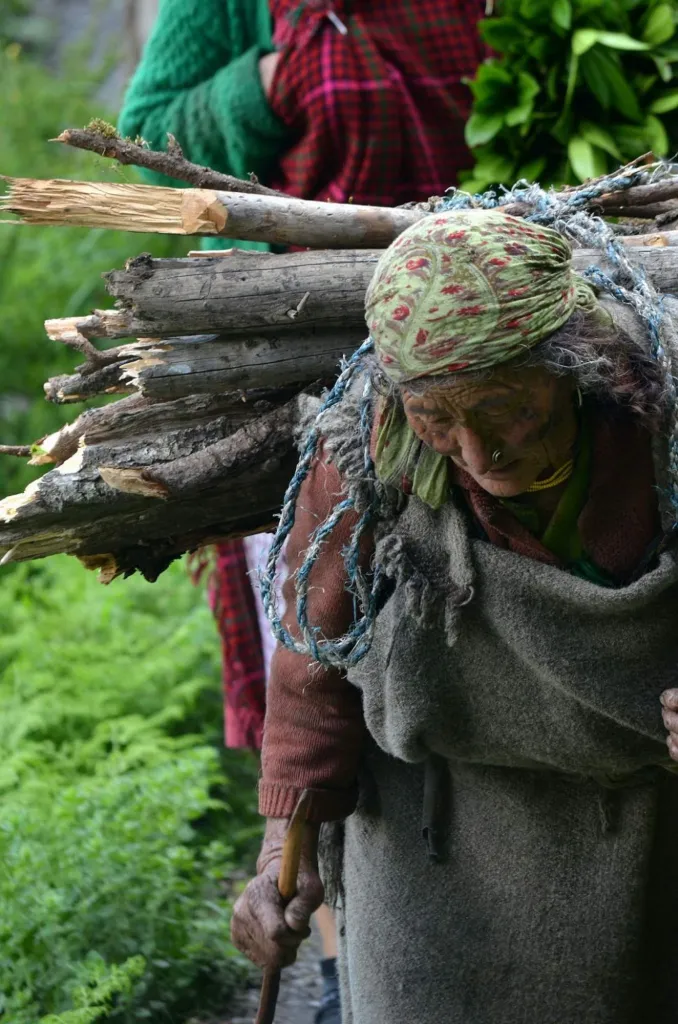
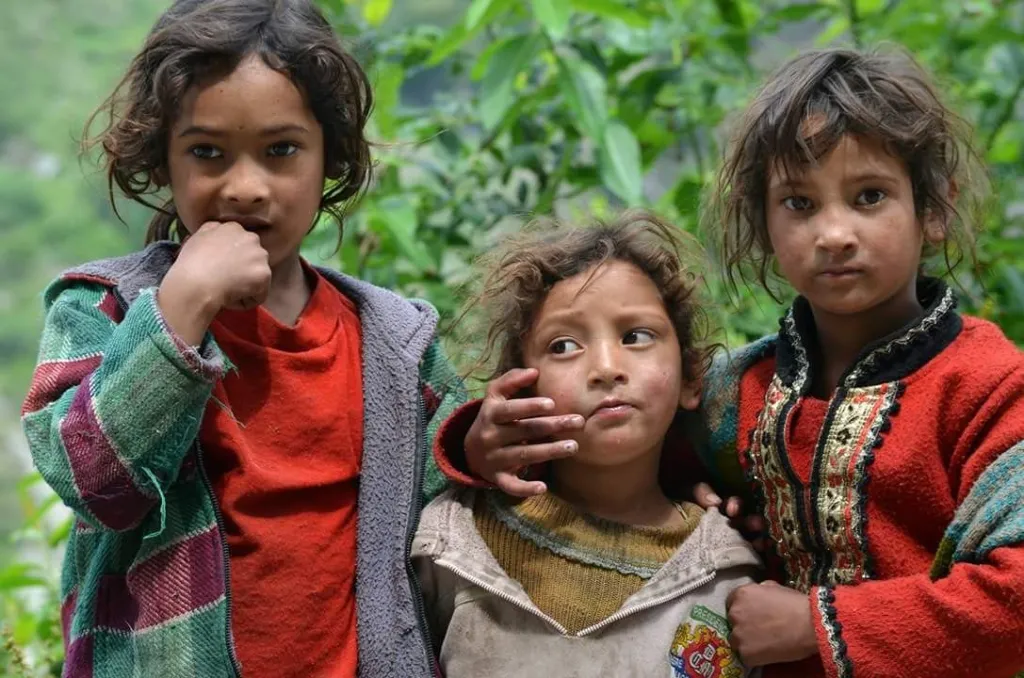
The ancient Himalayan hamlet of Malana, perched at an elevation of around 8700 feet is believed to be one of the oldest living democracies in the world. With snow-capped mountains and steep cliffs that surround it, Malana enjoys a beautiful seat in the Himalayas. There are nearly 4,700 people living in this village, and travellers have long been drawn here to have the famed and award-winning Malana cream, which locals regard as a holy herb and outsiders regard as a way to relieve the mind in the midst of cold winds and rows of dark green deodar trees.
History abounds in Malana, and its people are said to descend from Alexander the Great’s army. According to them, they are pure Aryans. And the language they speak, ‘Kanashi,’ combines Sanskrit and Tibetan dialects as their own language, left by the devil as a keepsake.
It is said that, during a battle against Porus, a ruler in India’s Punjab region, some of Alexander the Great’s army sought shelter in this isolated village in 326 BC. Many people believe that these soldiers were Malani’s ancestors. There are artifacts from that period in the village, including a sword that is said to be housed inside the Malana temple. As of yet, no genetic ties have been established between the soldiers and the Malana people. It is widely believed that the Malana people descended from Alexander the Great’s army, but we’re not sure that there is any solid evidence that supports this claim. Nevertheless, locals’ different physical features and language, unlike those of any other tribal group in the area, power these theories, but then as we said no theory or evidence is there to support this.
People here are generally not open to change, though there are some traces of modernization visible. Non-Malani are considered inferior in Malana, and therefore untouchable. You’ve to keep to the prescribed paths when visiting Malana town and do not touch any of the walls, houses, or people. Consequently, you’ll have to pay a forfeit to purify the impure item by sacrificing a lamb to cover the cost of sacrificial slaughter. Non-Malanis may never cook for Malanis unless they are outside the valley where their Devta cannot see them. Before using utensils again, Malanis must undergo a strict purification ritual.
When you look at their judicial system, it is obvious that the Malanese are people of faith. Comparatively speaking, Malana’s judiciary is not practical at all. Here’s what they do instead. Each lamb’s right foreleg is stuffed with poison when there is an impending decision to resolve a conflict, and then it is sewn back by hand. People who lose judgment are implied to be those whose lambs die first. According to their belief, Devta makes the decision.
Well, their Devta is Jamlu Rishi. And here’s a peep into Devta history.
In ancient times, Jamdangni Rishi (Jamadagni)used to worship Brahma, Vishnu, and Mahesha. When he asked for a boon after praying intensely, Shiva appeared before him. In his request for a secluded, nature-filled place, Jamdagani Rishi requested a place surrounded by nature’s bounty that is perfect for meditation. Shiva asked him to go to Malana. He was followed by his two brothers. He then turned them away by giving them the regions of Lahaul and Banjar valley. After reaching Malana he found out that the region was controlled by Banasura. The Rakshasa retaliated against Rishi, resulting in a fight between the two.
Jamdagni Rishi and Banasura fought for days but there was no end to it, thereafter, they resolved their conflict by agreeing on the following terms:-
Although Jamdagini Rishi became superior to Banasura over time, the village still adheres to its (Banasura) traditions.
People are fascinated by their cultures, customs, and religious beliefs, and the Malana people are no exception. Malani’s (people of Malana) speak Kanshi, which is only known to them. In a democracy, people have an undying belief in the Devta Jamlu. The town council pursues the whole town administration under him. Jamlu is represented by 11 council members. Since there are no external influences, it is referred to as Athens of the Himalayas. As a matter of fact, Marijuana/Hashish is the exclusive source of income in Malana, the Parvati Valley.
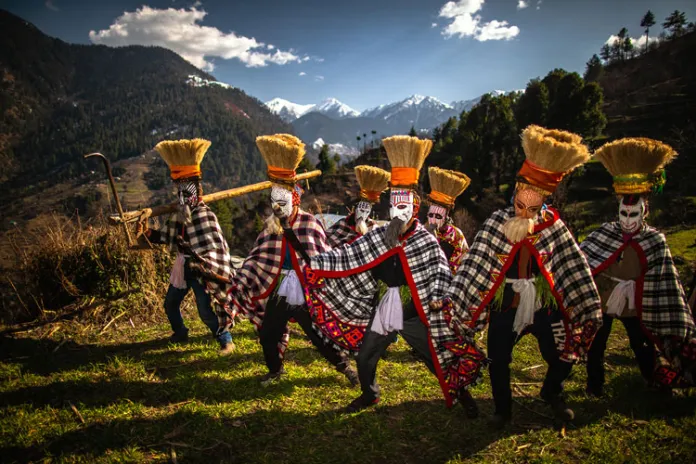
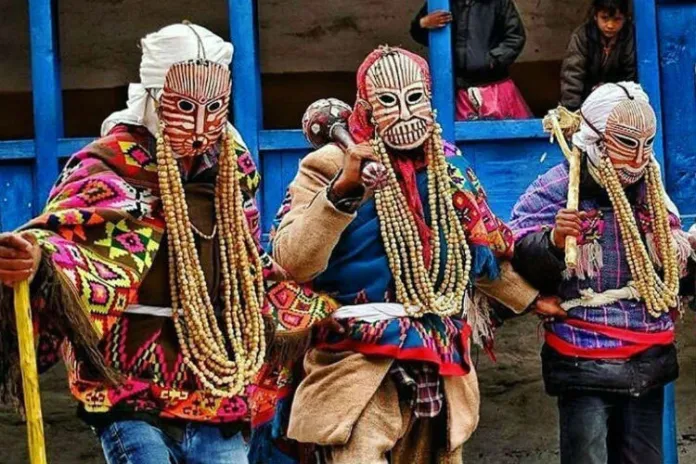
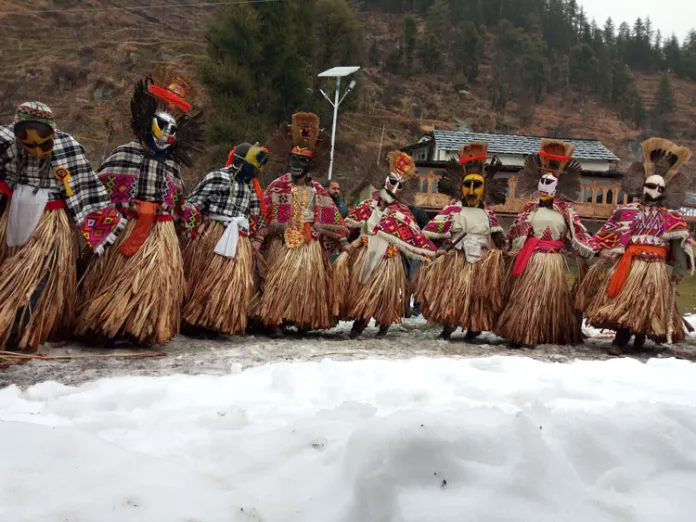
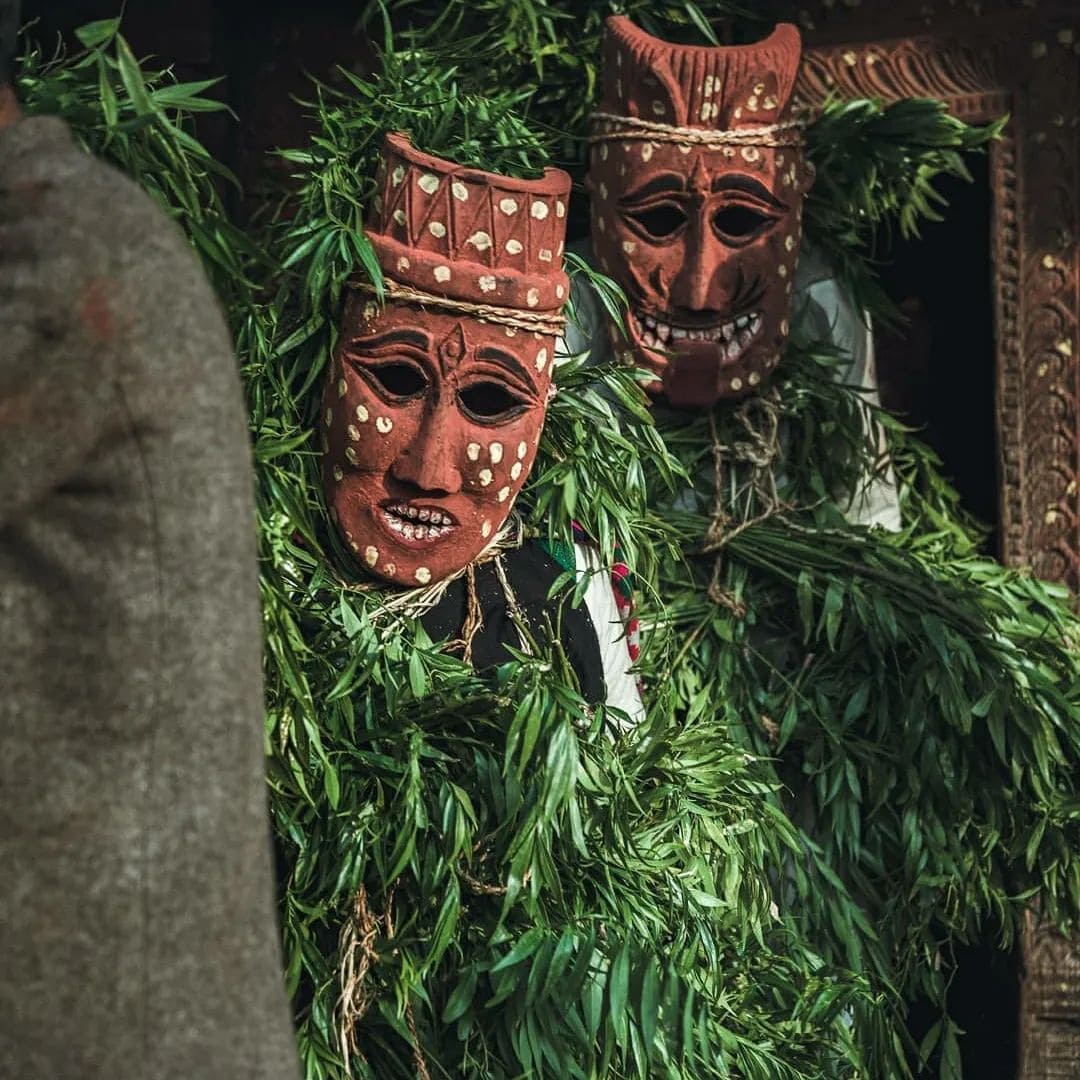
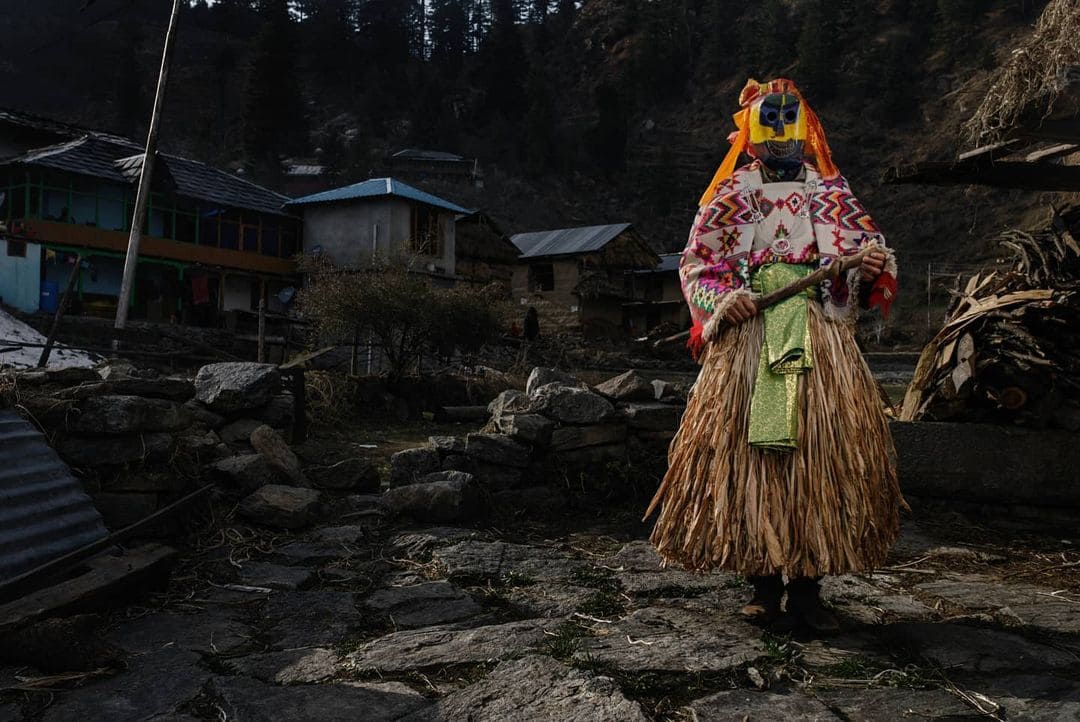
As for the festivals, the middle of February is dedicated to a celebration known as Fagli. The event involves everyone taking a bath and wearing nothing but devil masks and cannabis leaves. Dancers scatter cow dung around houses to provide insulation from cold. The festival is a continuation of Akbar. The 15th of August marks another festival, Shaun.
Himachal Pradesh is world famous for its ancient culture and traditions. One or the other Jatra (fair) and the festival is celebrated in every village of Himachal Pradesh.
Each festival is associated with some or the other ancient legend. Fagli festival is celebrated in some areas of Himachal.
An years-old tradition is followed even today in Kullu district of Himachal Pradesh whose name has been given as Fagli in ancient times
The Fagli festival is held in the month of February. The celebration of this festival starts from Sankranti and lasts for about a month. It is customary to use obscene abuses in this festival.
In this festival, some special people of the village wear masks on their faces and do obscene abuses and acts.
Women, children, and elders participate in it together, but those who serve obscenity do not even heed on this festive day. Actually, this festival is celebrated according to Dev tradition.
A similar festival was also organized at Gushaini in Banjar district. The fagli festival- mask dance is organized every year from 13 to 15 February in different villages of Tirthan valley.
Demonic forces are driven away from the village by a few selected people by performing mask dance and hurling obscene abuses.
In Himachal Pradesh, the custom of Faguli can be seen in different villages of Lahaul Spiti, Kullu, Manali, and Kinnaur districts of Himachal Pradesh.
There are various customs and colourful stories focusing on this festival. It seems that based on those beliefs this festival is celebrated differently in all the above-mentioned places.
According to mythology, the village was terrorized by a demon named Tundi. The demon would eat someone or the other every day. The villagers were very upset s, they went to Manu ji to solve this problem.
Manu ji found a solution to this problem. A girl from the Dhaugari clan of the village was very beautiful, seeing whom anyone would have fallen in love with her.
God Manu told the villagers to propose marriage to that girl in front of the demon and in return put a condition that he would take the girl and leave without causing any harm.
The villagers did the same and the demon was fascinated by the form of the girl and accepted the condition of the villagers.
Seeing the girl’s sacrifice, the God Manu said that henceforth this festival would always be celebrated in her honor and she would be welcomed with special dishes and then she was sent off with pomp.
Since then this festival is celebrated and even today Fagli festival is started from the house of the same girl.
On this day, people make Aksu, Geeche, Chile (Anklu), Garani, Puri, and other types of dishes and invite guests and feed them. Hospitality is done with a drink called Lugarhi
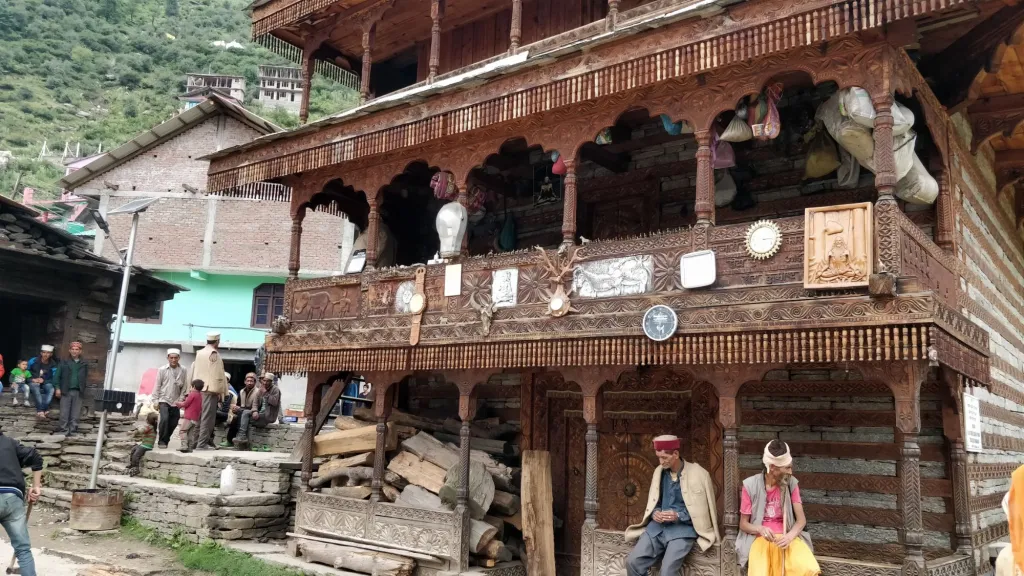
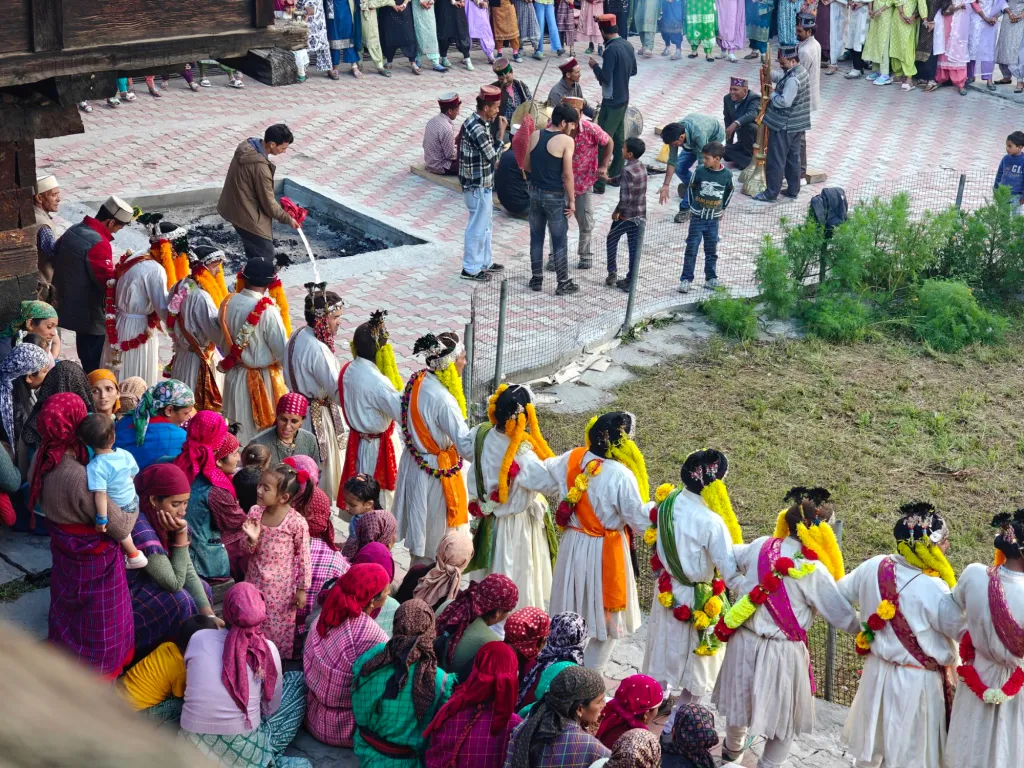
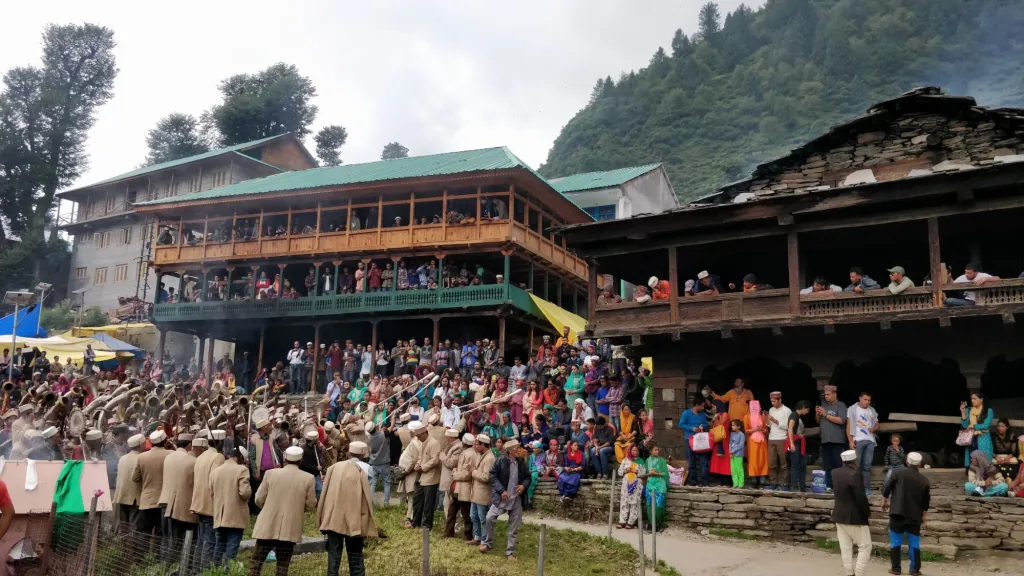
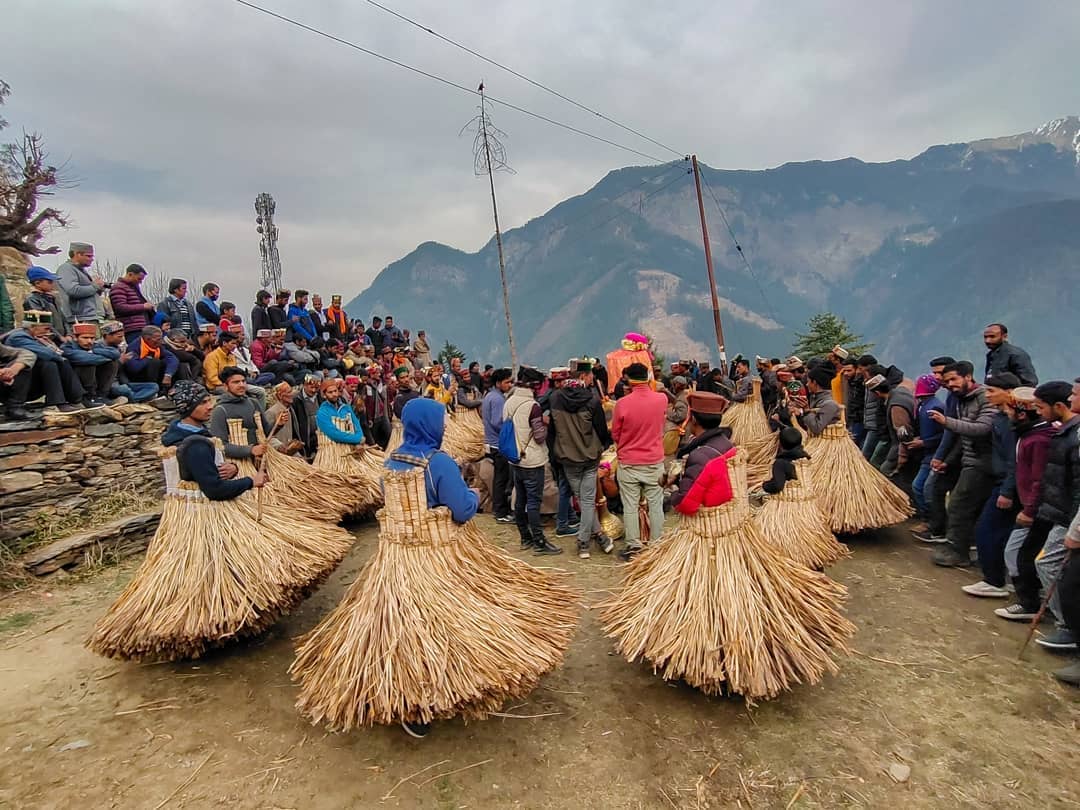
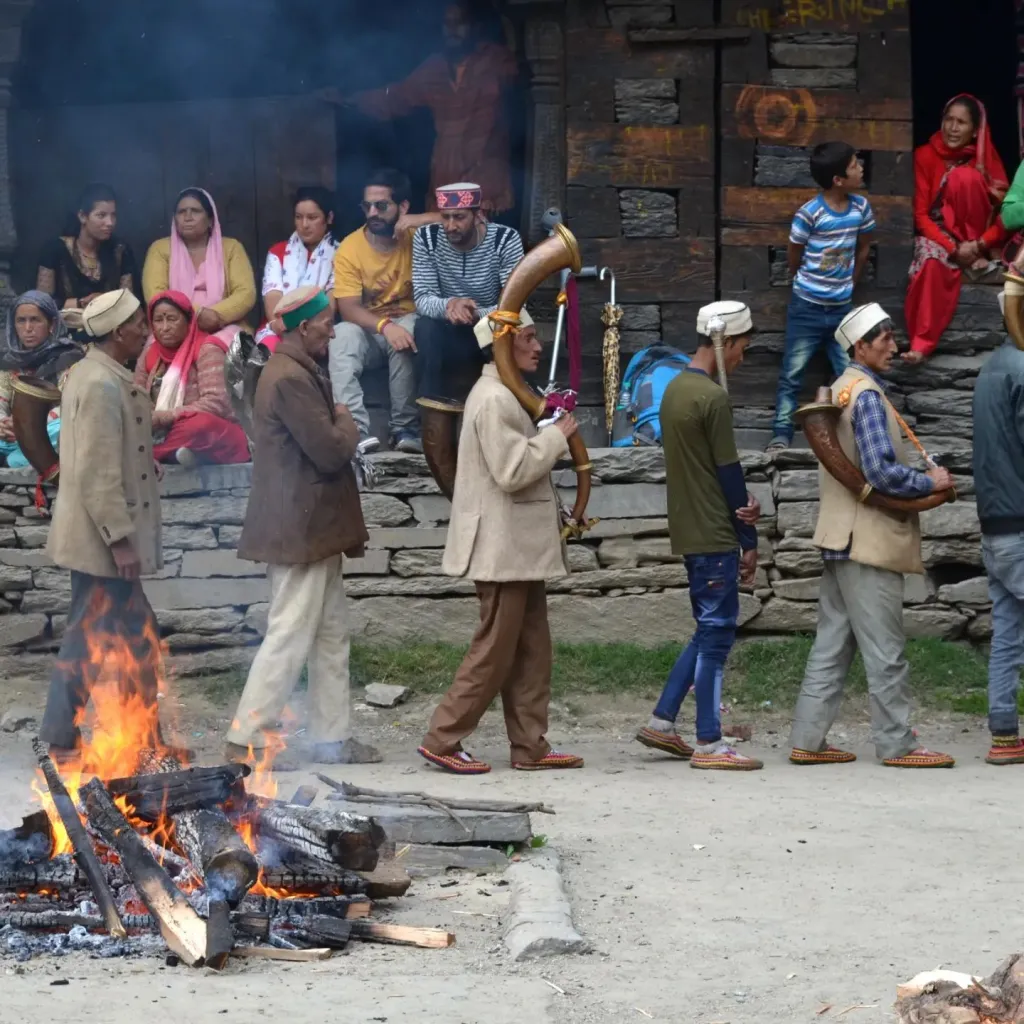
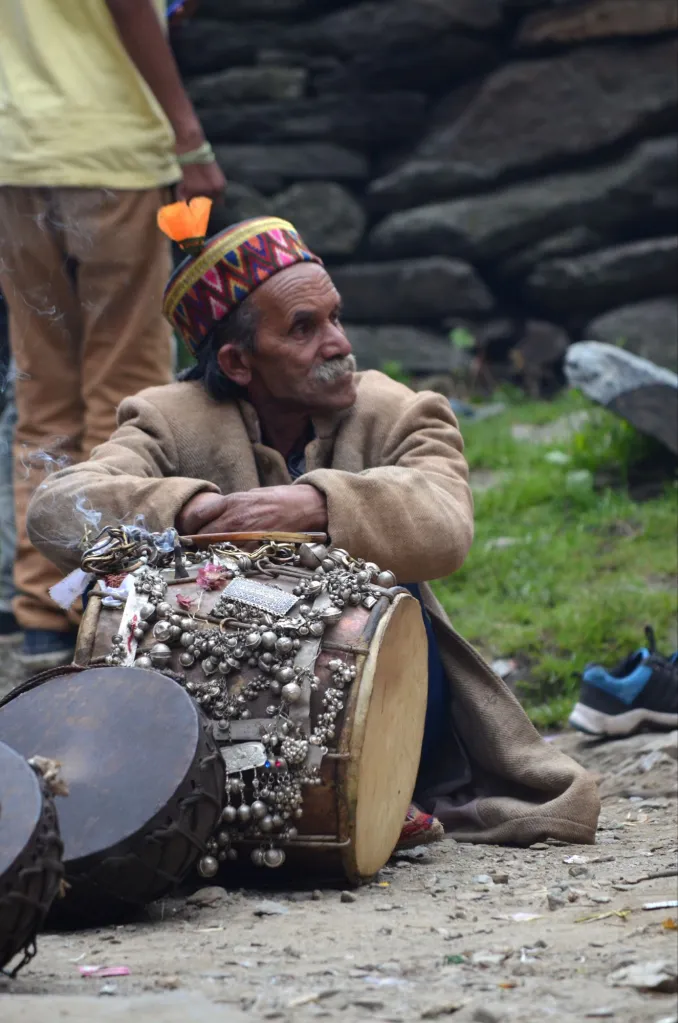
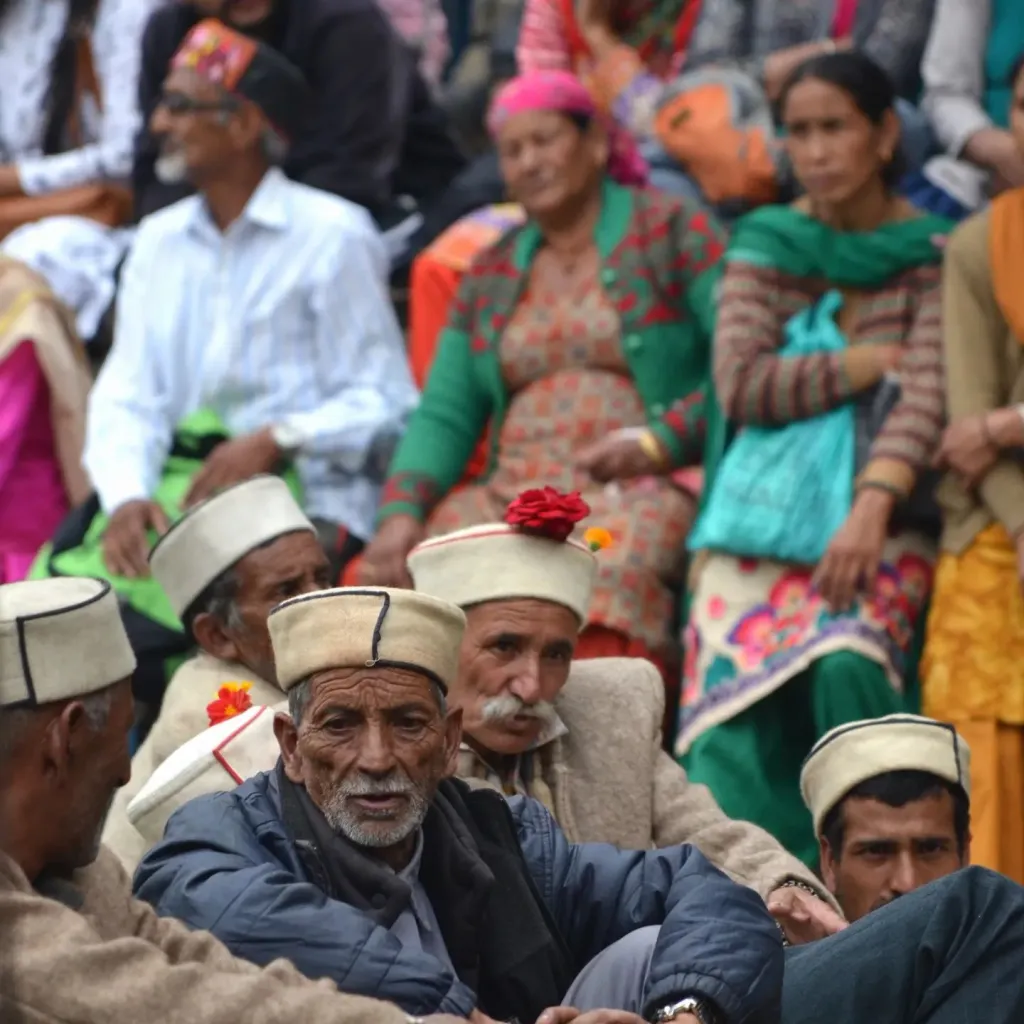
Locals begin the Shaun festival by wearing their traditional clothing called ‘pattu’ made from sheep wool and conducting formal duties. A tree is brought to the middle of the ground by the priest known as Pujari in front of Jamdagni Rishi’s Temple. He then sets a tree on fire with his mantras. A sheep is sacrificed in front of the crowd and offered as a cleansing ritual to Jamadagni Rishi while locals play instruments. It is customary for the men of the village to consume alcohol and smoke Malana cream throughout the festival and to dance and play music into the night. The women are allowed to watch and participate in the festivities.
Hidden deep in the mystical folds of Himachal Pradesh lies Malana — an ancient village perched in silence above the Parvati Valley. While the village is globally whispered about for its myths, customs, and sacred isolation, few know about the festival that breathes life into its soul each August — Shaun, or Shaun Jach. More than just a festival, Shaun is a spiritual, communal, and agricultural celebration that transcends time.
The Soul of Malana: Jamlu Rishi and the Sacred Calendar
At the heart of Malana’s belief system is Jamlu Rishi, the revered deity and ancient lawgiver of the village. Everything in Malana revolves around his divine will — from the laws that govern society to the rituals of everyday life. Shaun is celebrated to express gratitude to this protector for a fruitful harvest and to invoke his blessings for continued prosperity.
Held annually on August 15th, Shaun coincides with India’s Independence Day — but in Malana, it marks a deeper, older kind of freedom: the liberation of the land from hardship through the grace of the gods.
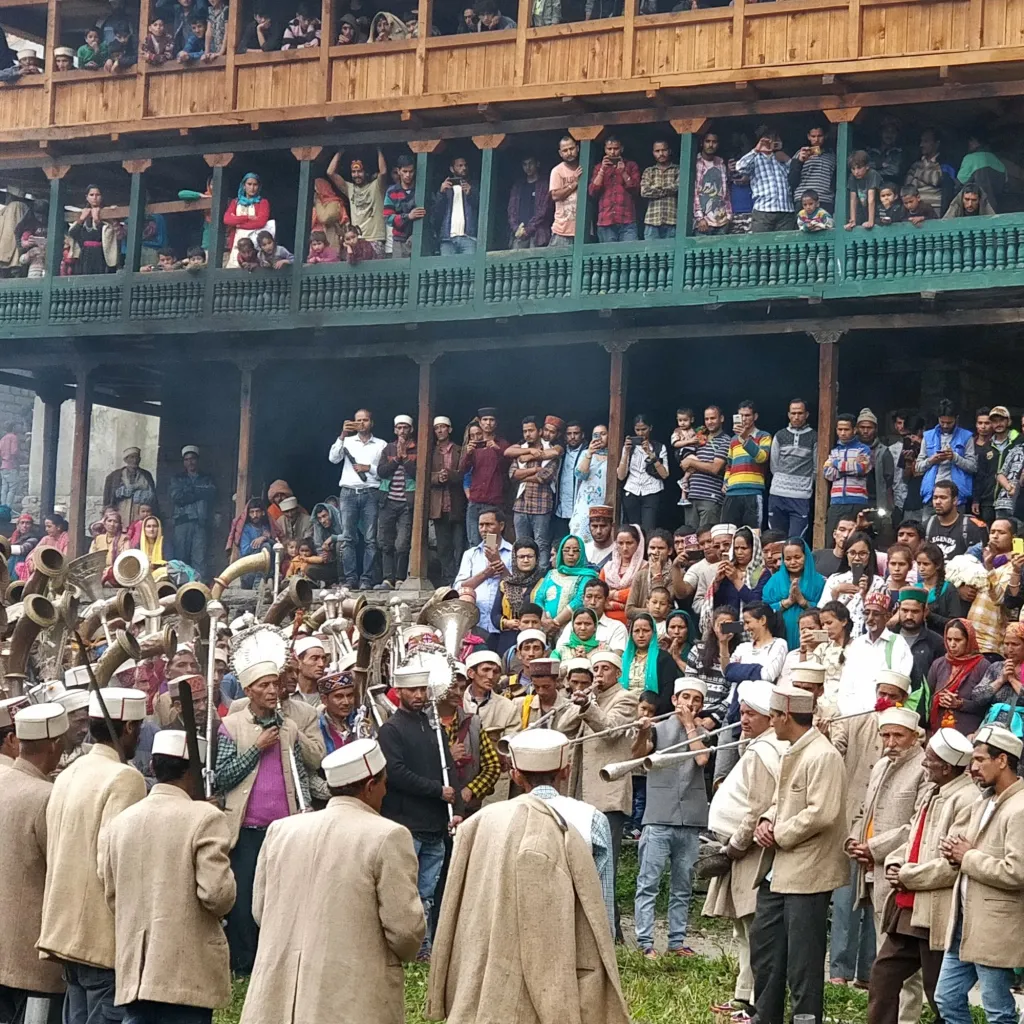
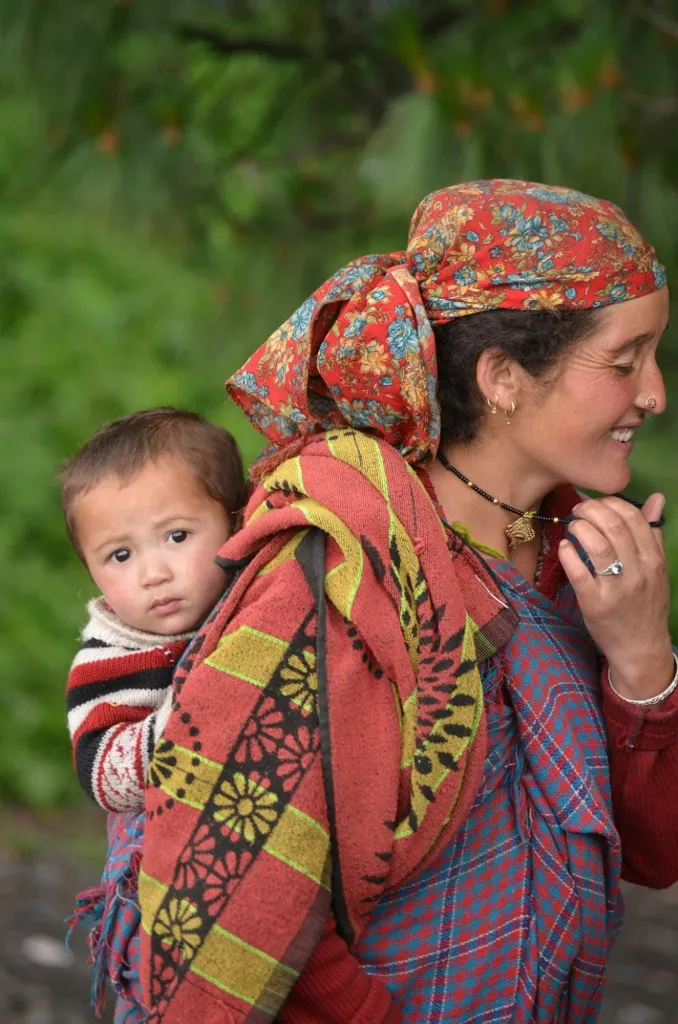
As the day approaches, the village begins to transform. Women weave themselves into ‘pattu’, traditional wool garments, and men prepare ceremonial offerings. Music returns to the valley in the form of bajans (devotional songs), flutes, and drums echoing through the mountain air.
The Pujari, or village priest, prepares for the most important ceremony — the sanctification of a tree chosen as a spiritual symbol. After invoking divine energies through mantras, the tree is set ablaze in front of Jamlu Rishi’s temple. This sacred fire is not mere spectacle; it’s an act of cleansing — believed to purify the air, the earth, and the spirit.
A part of Shaun that may appear intense to outsiders is the ritual sacrifice of a sheep at the temple’s entrance. This act is deeply symbolic — a ritual rooted in centuries of belief, asking for protection, fertility of the land, and harmony in the village. It’s not viewed as violence but as a divine exchange — life offered to sustain life.
As night falls and the fire burns bright, Malana dances. The villagers engage in Nati, a traditional Himachali dance that weaves joy and ritual into one fluid motion. The rhythms are primal, the steps repetitive and grounded, mirroring the mountain’s breath itself.
The energy is contagious — laughter rings out, drums beat louder, and the spirit of Jamlu seems to move through every pair of feet stamping against the earth. It is in this moment that one sees the true heart of Shaun: community, connection, and cosmic rhythm.
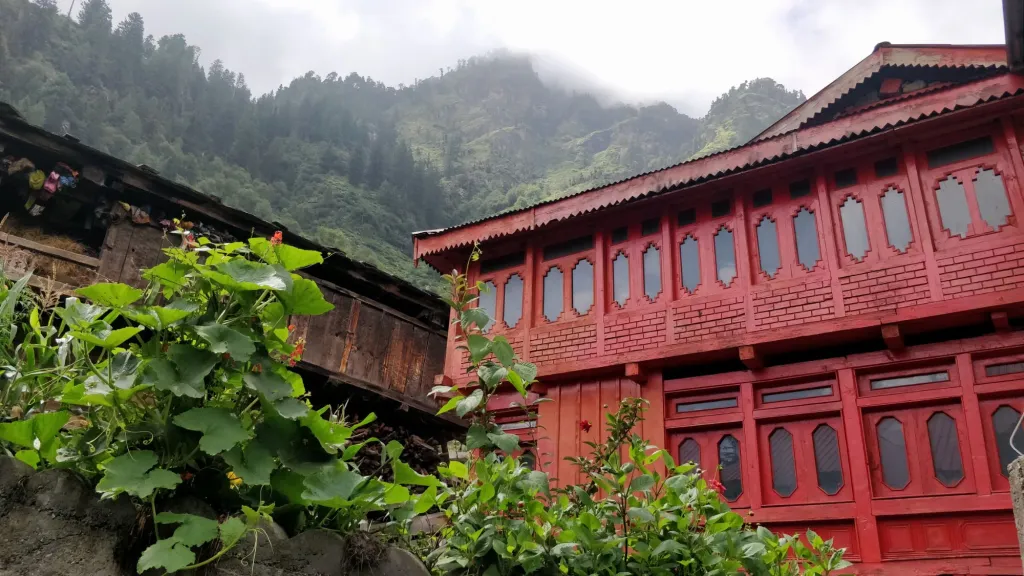
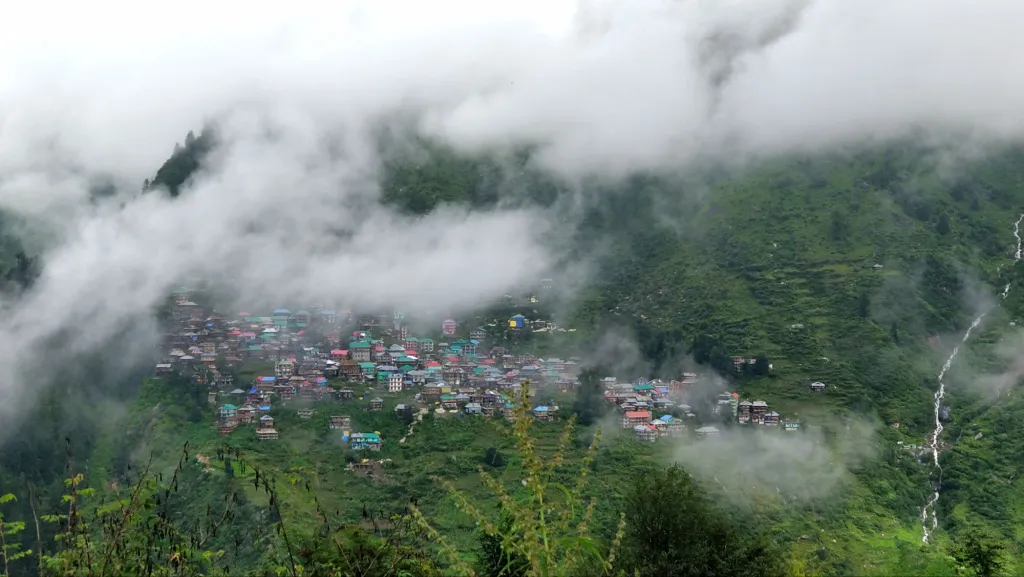
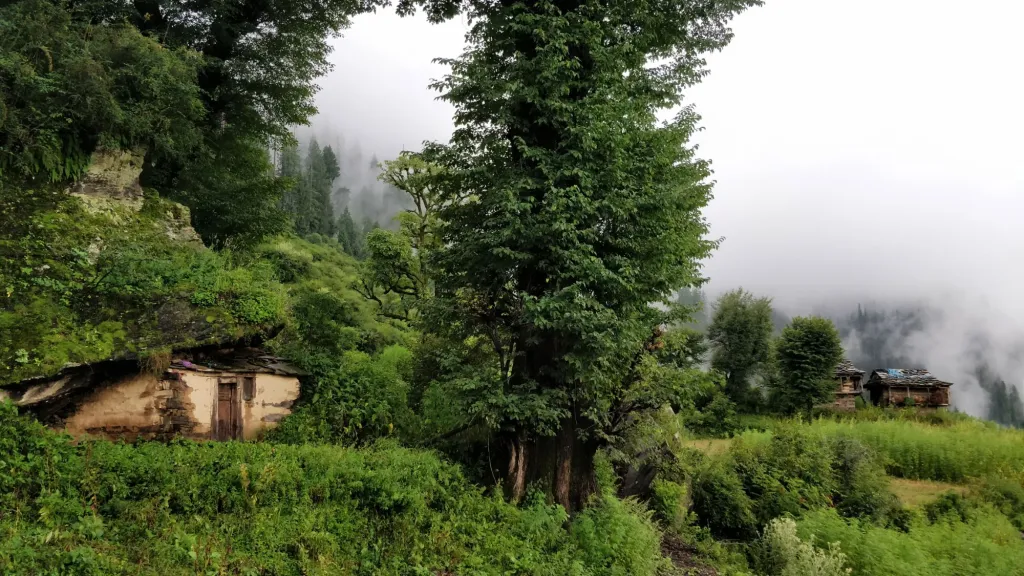
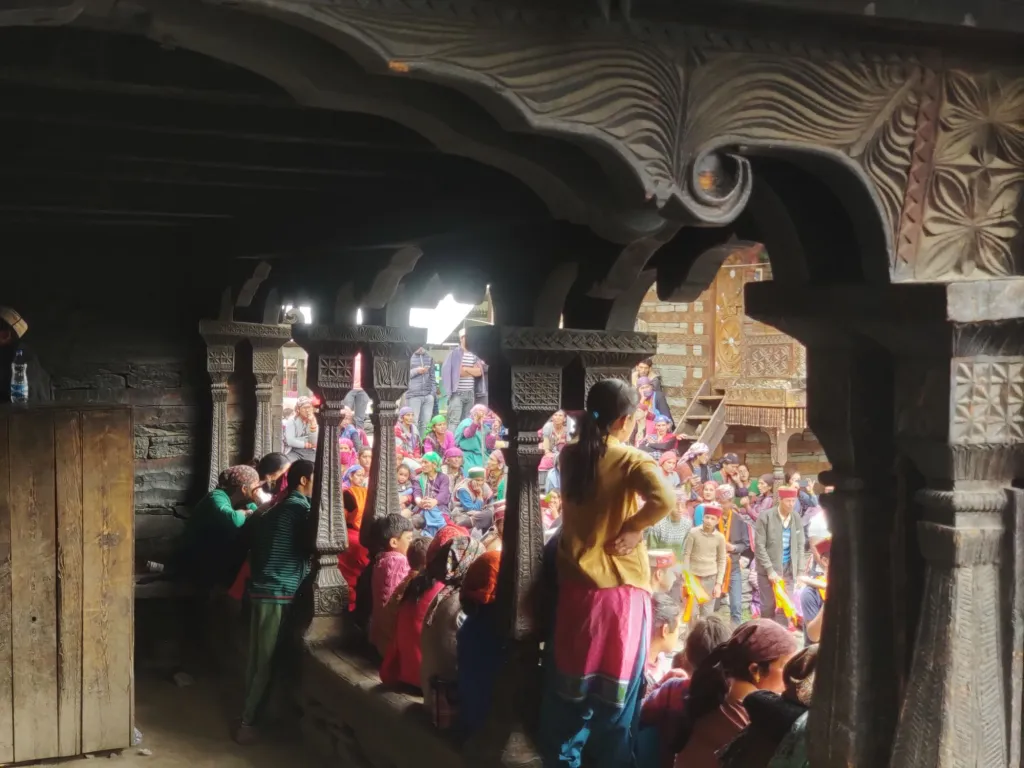
What’s even more special is that this sacred event opens Malana’s usually guarded gates. People from nearby villages like Rashol, Jana, and Manikaran are welcomed — not just as visitors, but as family. They are fed, hosted, and invited to join the dance. In a land that fiercely protects its isolation, this is a rare, precious gesture of inclusion.
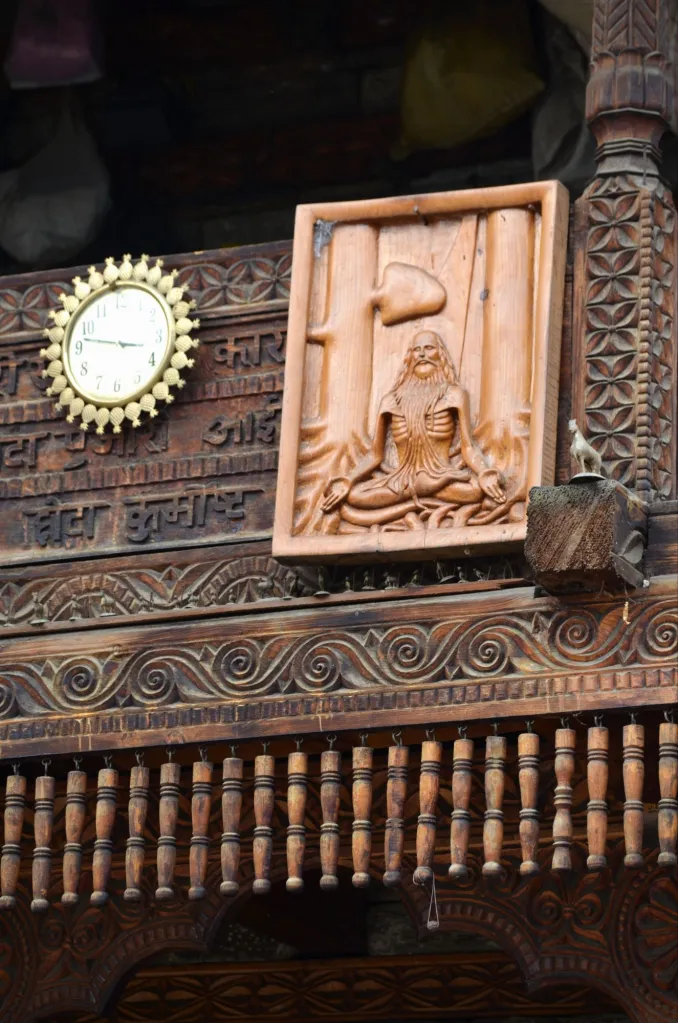
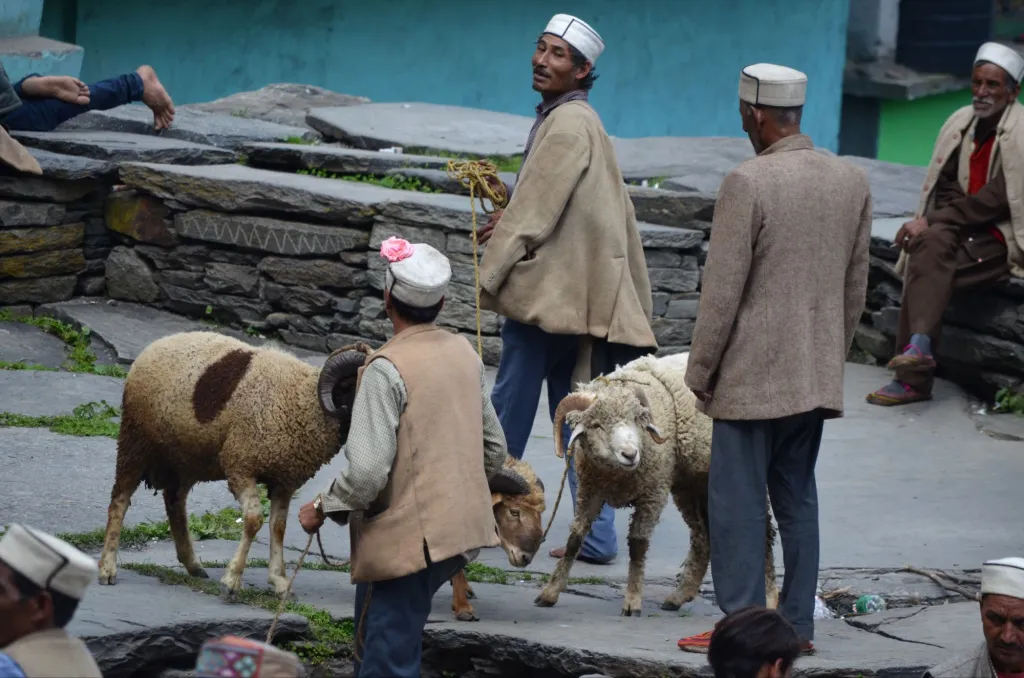
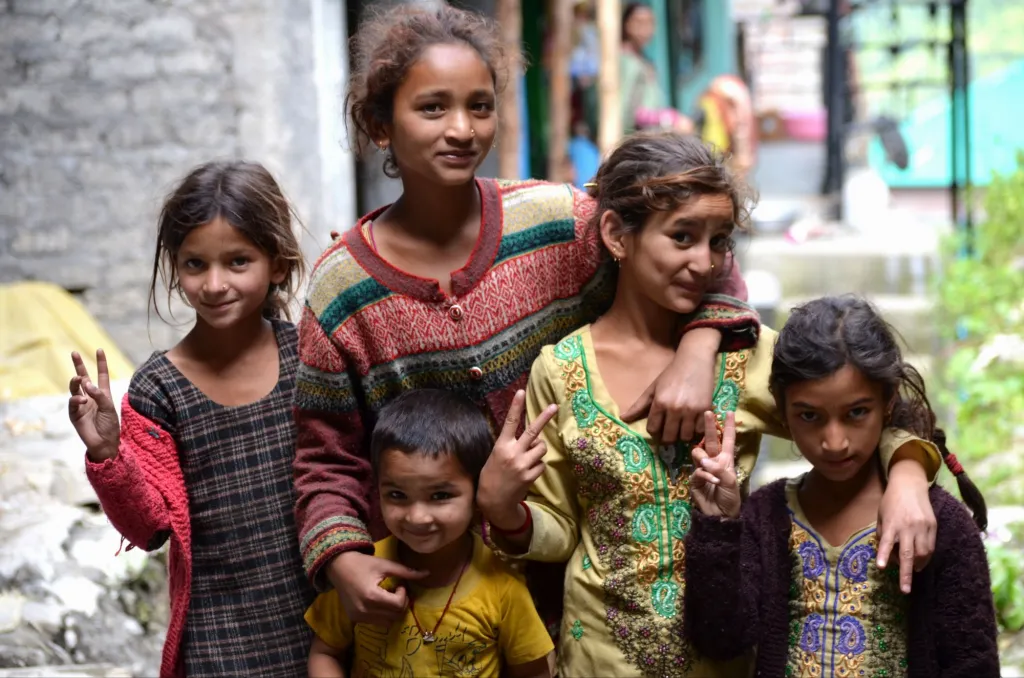
In a time where modern life moves at lightning speed, the Shaun Festival reminds us of a different kind of time — one that is circular, seasonal, and sacred. It’s a call back to our roots, to the soil beneath our feet, and to the gods we’ve perhaps forgotten to thank.
Shaun is more than a festival — it’s a glimpse into a world untouched by modern chaos, where faith, fire, and farming form a living circle of life. If you ever find yourself in the Parvati Valley in August, let the winds guide you to Malana. Let the drums pull you in. And if you’re lucky, you might just find yourself dancing with the gods.