Chamba is the only state in northern India to preserve a well-documented history from circa 500 A.D. Its high mountain ranges have given it a sheltered position and helped in preserving its centuries old relics and numerous inscriptions. The temples erected by rajas of Chamba more than a thousand years age continue to be under worship and the land grant-deeds executed on copper plates by them continue to be valid under the law.
Regarding the early history of this region it is believed that this area was at time inhabited by certain Kolian tribes,which were later, subjugated by the Khasas. The Khasas too after a time came under the sway of Audumbaras (2nd centaury B.C.). The Audmabaras had republican form of government and worshiped Shiva as their principal deity. From the Gupta period (4th Centaury A.D.) the Chamba region was under the control of Thakurs and Ranas who considered themselves superior to the low tribes of Kolis and Khasas. With the rise of Gurjara Pratiharas ((7th Centaury A.D.) the Rajput Dynasties came to power.
In circa 500 A.D., a legendry hero called Maru migrated to north-west from Kalpagrama (a mythical place from where majority of the Rajput dynasties claim their descent) and founded Brahampura (Bharmour) in the valley of the Budhil river, seventy five kilometer to the east of present Chamba town. His successors continued to rule over the country from that capital city for over three hundred years until Sahilla Varman shifted his capital from Brahamputra to the more centrally located plateau in the lower Ravi valley. He named the town after his beloved daughter Champa. His rani voluntarily offered herself as a sacrifices to bring water for the town’s people through a running channel which takes origin at a place called Bhalota. The layout of the plan of Chamba seems to be in conformity with the ancient texts. From then on the rajas of Chamba continued to rule from here in an uninterrupted and direct line of descent.
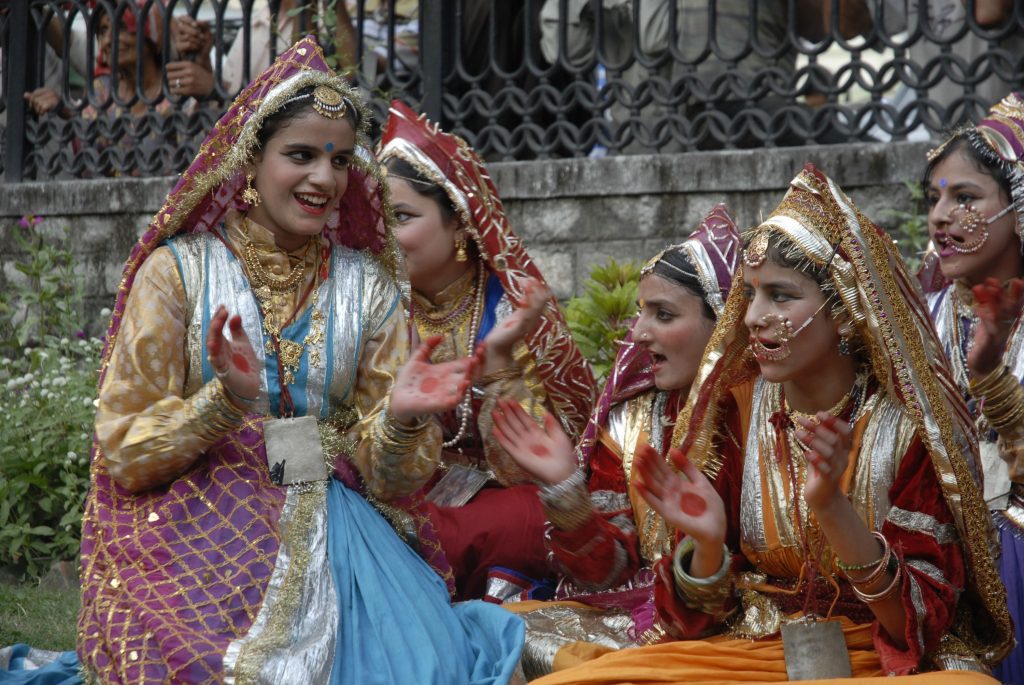
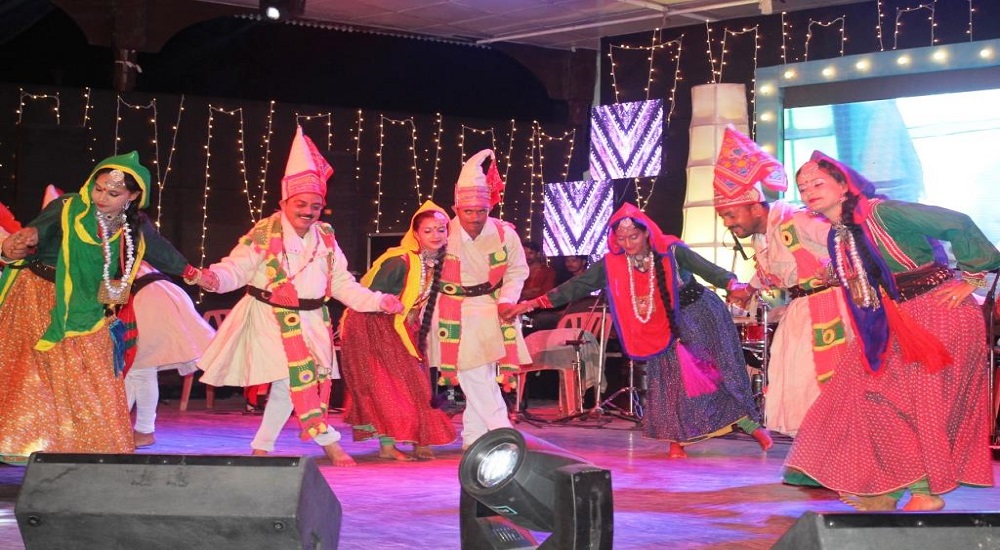
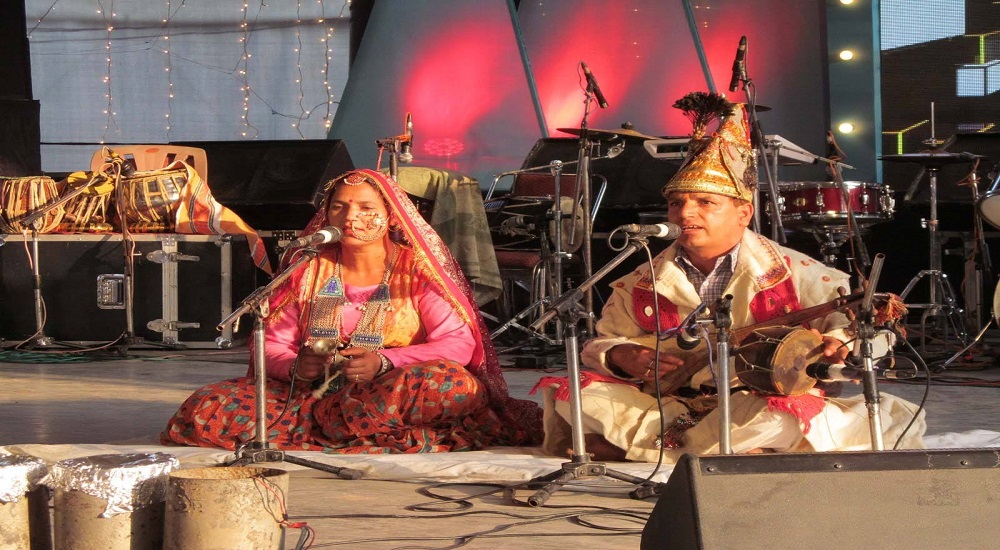
Nestled in the lap of the Himalayas, Chamba comes alive during its festivals, where ancient traditions, vibrant colors, music, and devotion blend beautifully. Each festival reflects the rich heritage of the region, bringing together locals and visitors in joyous celebration. From sacred rituals and folk dances to bustling fairs and traditional attire, Chamba’s festivals tell stories of faith, harvest, and timeless culture, making every moment unforgettable.
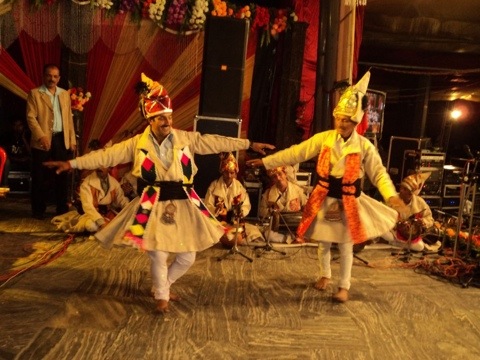
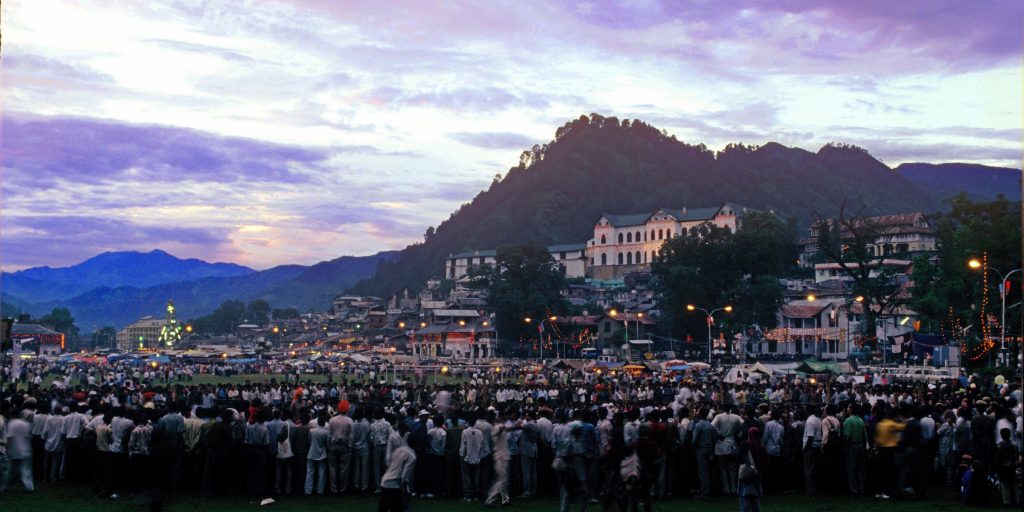
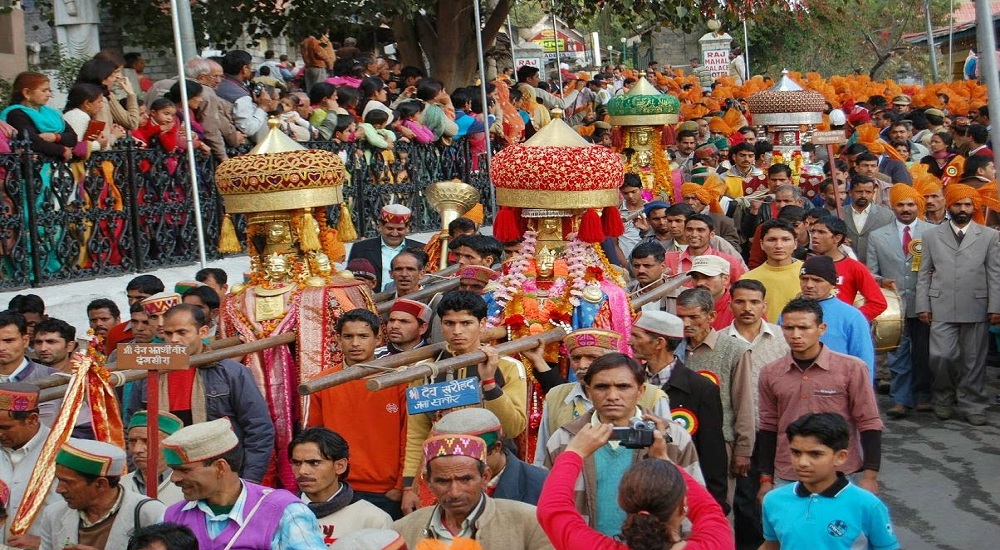
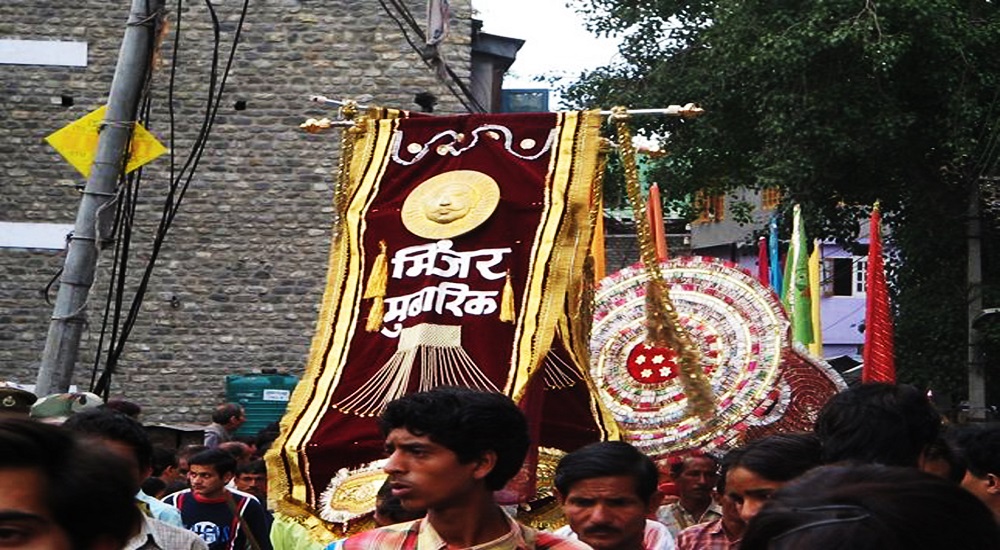
Minjar Mela is celebrated in the Chamba valley of Himachal Pradesh, as a commemoration of the victory of the Raja of Chamba over the ruler of Trigarta (now known as Kangra), in 935 AD. It is said that on the return of their victorious king, people greeted him with sherfs of paddy and maize, as gift to symbolize prosperity and happiness.This mela is held on the second Sunday of the Shravana month. The fair is announced by distribution of Minjar which is a silk tassel worn on some parts of the dress by men and women alike. This tassel symbolises the shoots of paddy and maize which make their appearance around this time of the year. The week long fair begins when the Minjar flag is hoisted in historical Chowgan.
Minjar is the most popular fair of Chamba which is attended by a large number of people from all over the country. This mela is held on the second Sunday of the Shravana month. The fair is announced by distribution of Minjar which is a silk tassel worn on some parts of the dress by men and women alike. This tassel symbolises the shoots of paddy and maize which make their appearance around this time of the year.
Sui Mata Temple stands as an honour to the sacrifice of Queen Sui- the wife of King Sahil Varman. The temple is situated in the Saho village of Chamba district and is a paradigm of sacrifice. It's decorated with beautiful painting that depicts the life of Sui. A fair is organized every year at this place which begins on 15th March and continues till the first of April. Married women and girls flock to this place with offerings to pay respect to the great queen. Hence, a visit to this holy place will offer you great insight into the numerous traditions and culture of Chamba.
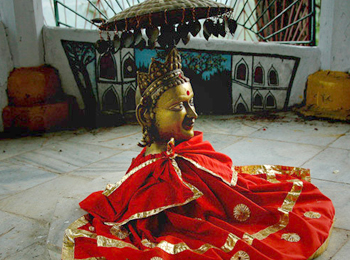
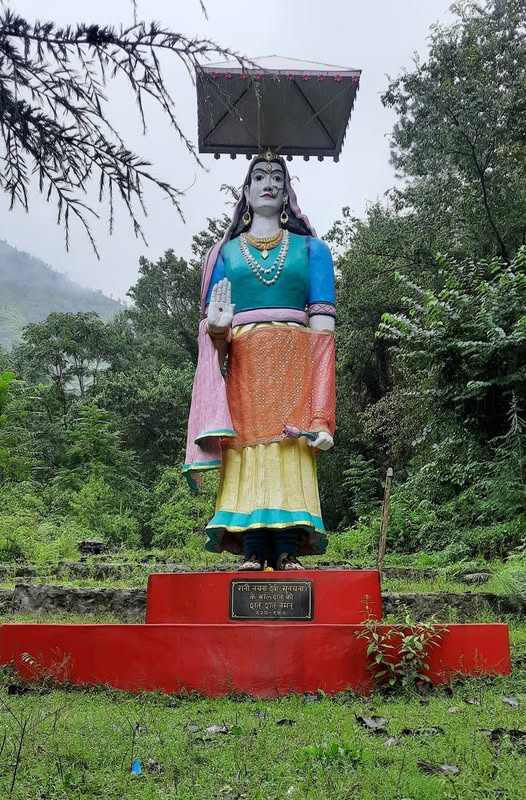
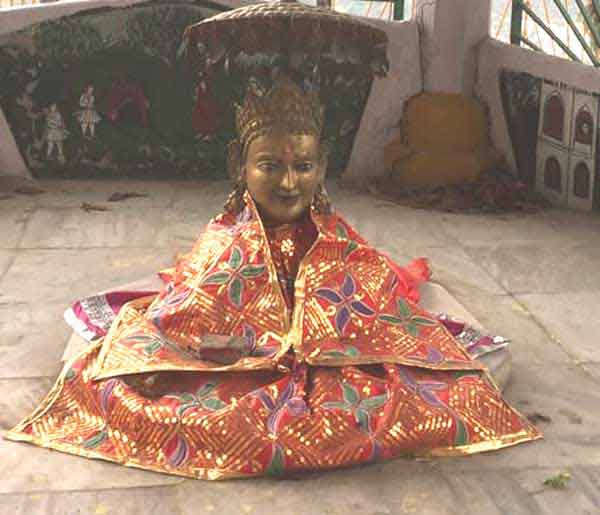
The story behind the Sui Mata Temple is one of great sorrow and sacrifice. Long ago, Chamba was plagued by a severe drought, leading King Sahil Varman to seek divine intervention. Despite numerous offerings and prayers, the drought persisted. Desperate for a solution, the king consulted Brahmins and religious advisors who revealed that a sacrifice was needed to bring water to the region. Faced with an impossible choice, the king decided to sacrifice his son. However, Queen Sui Mata, unable to bear the thought of losing her child, chose to sacrifice herself instead.
Her selfless act brought an end to the drought, and water began to flow once more in Chamba. Queen Sui Mata’s body, along with her close maidens, was buried near the temple premises. Since then, the region has never experienced a water scarcity, and the queen’s sacrifice is commemorated annually through the Sui Fair
The Structure of Sui Mata Temple
Perched on Shah Madar Hill, the Sui Mata Temple is divided into three distinct parts:
Main Temple Steps: Constructed by Rani Sarda, the wife of Raja Jit Singh, these steps lead to the Sarota stream, symbolizing the journey and sacrifice of Queen Sui.
The Passage: This section serves as a link between the main temple and the memorial, representing the connection between past and present.
The Memorial of Queen Sui: This part of the temple is dedicated to honoring Queen Sui’s legacy and her ultimate sacrifice for the well-being of her people.
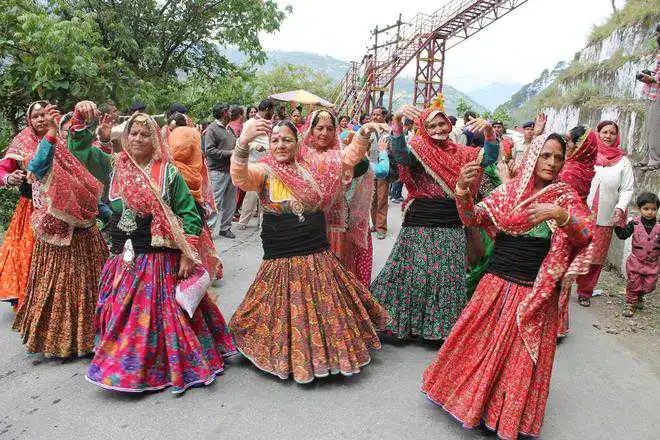
The Sui Fair is a vibrant and colorful event, where women and girls from the region gather in their finest clothes and jewelry to pay homage to Queen Sui Mata. They offer prayers and participate in various rituals, celebrating the queen’s legacy and her contributions to Chamba. The fair not only commemorates her sacrifice but also serves as a reminder of the region’s rich cultural heritage and traditions.
A visit to the Sui Fair provides a unique opportunity to immerse oneself in the traditions and culture of Chamba. The fair showcases local music, dance, and art, offering a glimpse into the vibrant life of the region. It is a time of community bonding, where people come together to celebrate their shared history and honor the memory of Queen Sui Mata.
The Sui Fair Chamba is more than just a festival; it is a celebration of sacrifice, tradition, and cultural heritage. The story of Queen Sui Mata’s selflessness continues to inspire and resonate with the people of Chamba, making the Sui Fair a vital part of their identity. Whether you are a history enthusiast, a cultural explorer, or simply someone looking to experience the beauty of Chamba, the Sui Fair offers a rich and unforgettable experience.
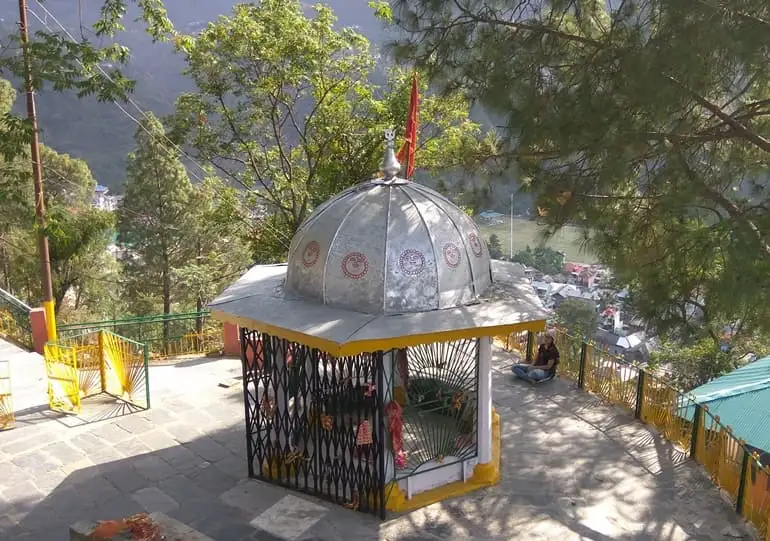
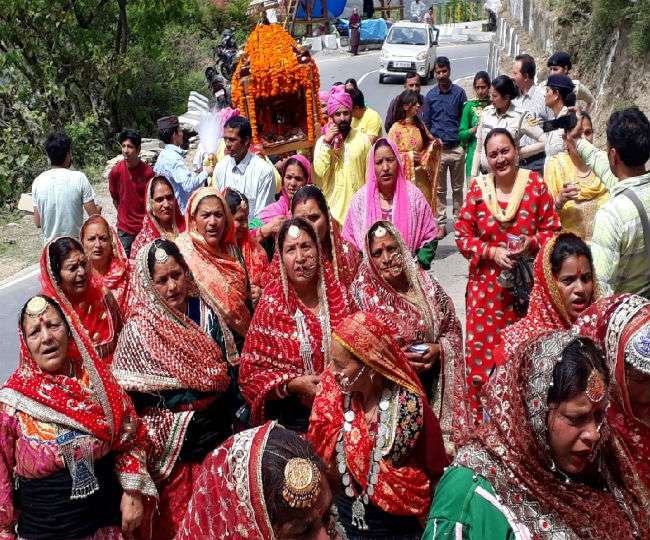
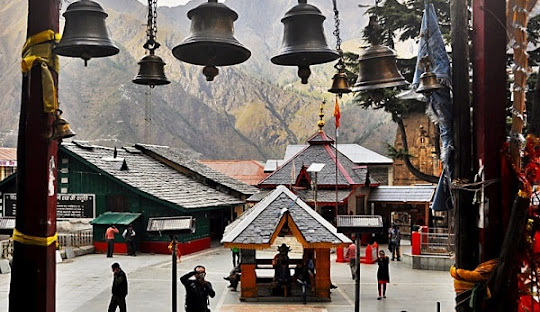
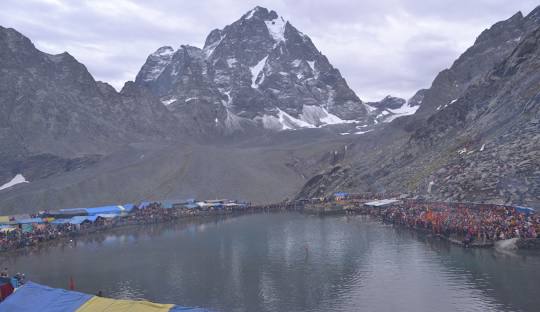
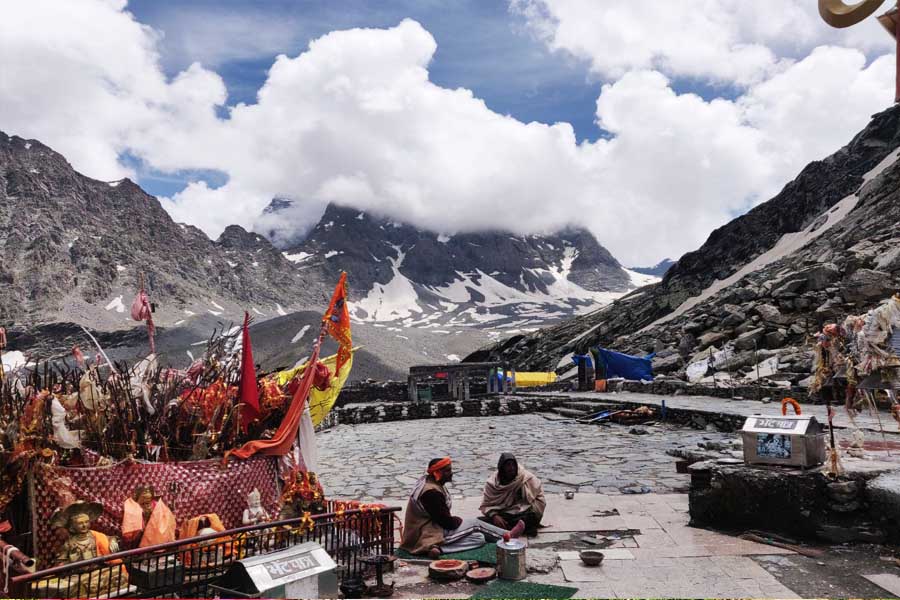
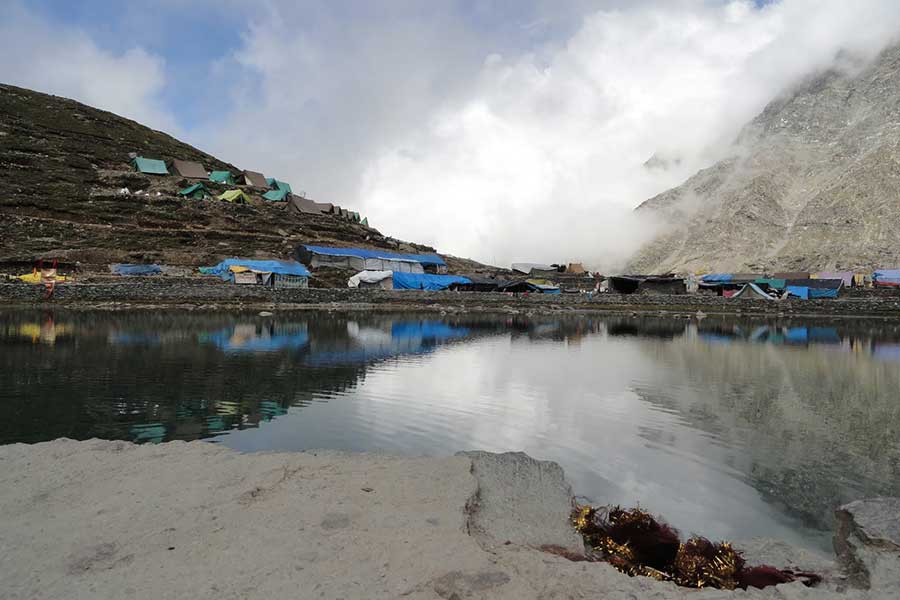
Located in the peaceful Chamba district of Himachal Pradesh, Manimahesh is a spiritually significant destination for devotees of Lord Shiva. At the base of the awe-inspiring Manimahesh Kailash peak lies the sacred Manimahesh Lake, where pilgrims gather in devotion to seek blessings and inner peace.
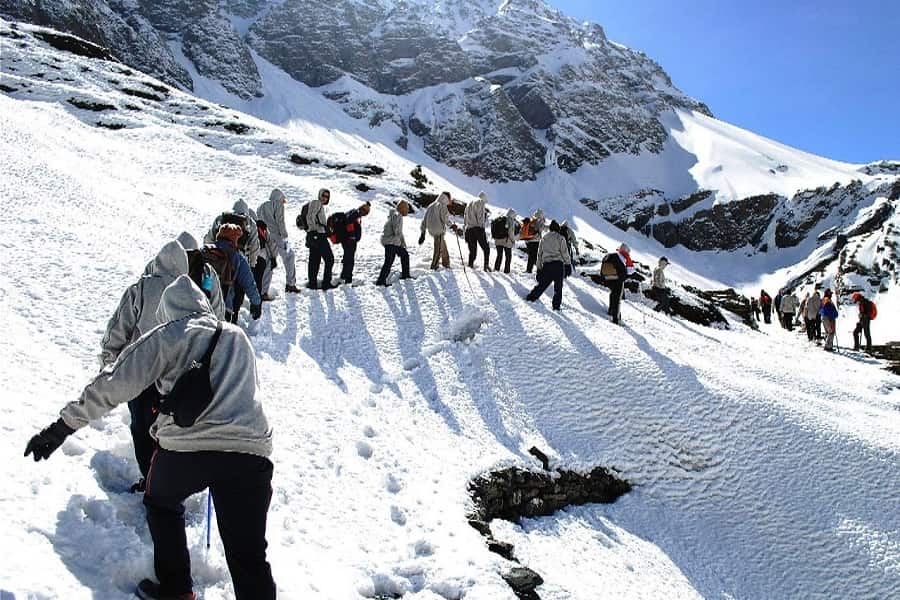
The trek to the lake is a journey through faith, nature, and legend. Taking a dip in its holy waters is believed to purify the soul.
Did you know?
The Manimahesh Kailash peak is considered unconquerable. Unlike Mount Everest and many taller peaks, no one has ever successfully climbed it. According to local folklore, a shepherd (Gaddi) once tried to ascend the peak with his flock of sheep. It is believed he was turned to stone along with his sheep for attempting the forbidden climb. The series of smaller peaks below the main summit are said to be the petrified remains of that shepherd and his flock.
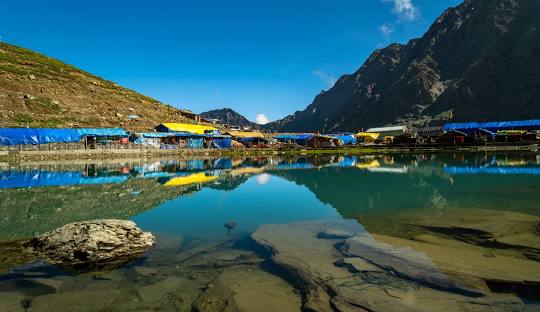
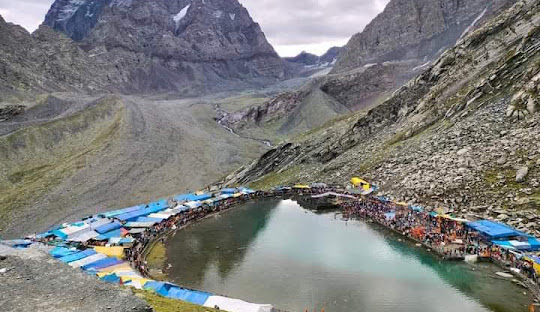
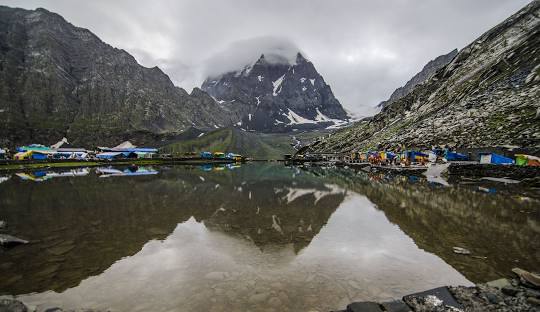
Imagine embarking on a spiritual journey that takes you to the tranquil shores of a sacred lake nestled amidst the majestic Himalayas. Welcome to Manimahesh Yatra, a revered pilgrimage that attracts thousands of devotees each year. In this article, we will delve into the significance of Manimahesh Yatra, the mythological importance of Manimahesh Lake, and the planning involved in this awe-inspiring adventure.
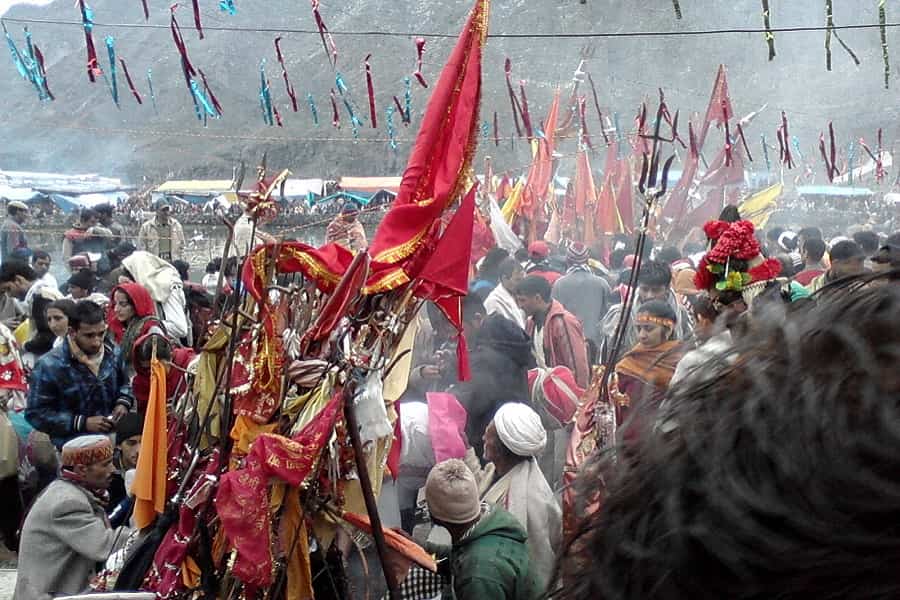
The Manimahesh Yatra holds a special place in the hearts of devotees who believe that a visit to this sacred lake washes away their sins and brings them closer to Lord Shiva. The journey is a test of faith and devotion, attracting both devout Hindus and adventure seekers alike.
According to Hindu mythology, Manimahesh Lake is believed to be the abode of Lord Shiva. Legends narrate that Lord Shiva performed penance at this very spot, making it a revered site for pilgrims. The reflection of Mount Kailash, also known as Manimahesh Kailash, in the tranquil waters of the lake adds to its mystical allure.
Choosing the Right Time
The Manimahesh Yatra takes place during the auspicious period of Shravan, which usually falls between July and August. It is crucial to consider the weather conditions and the accessibility of the route before embarking on this spiritual journey.
Route and Transportation
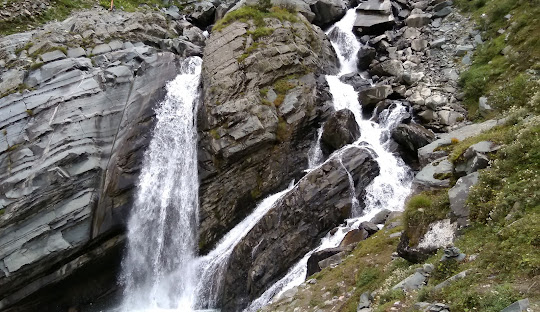
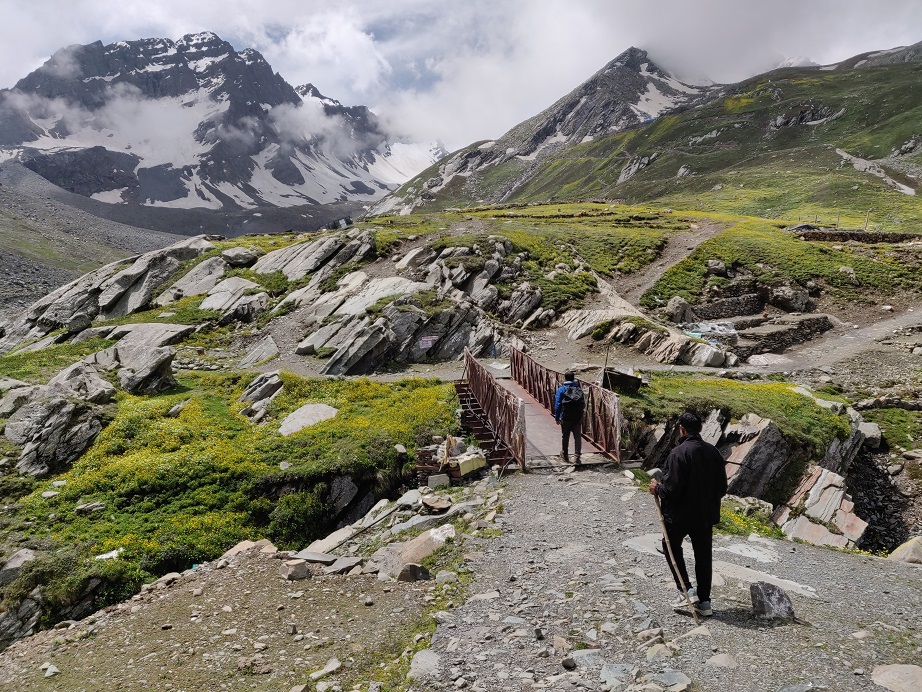
To reach Manimahesh Lake, the journey typically begins from Bharmour, a small town in the Chamba district of Himachal Pradesh. From Bharmour, pilgrims embark on a trek of approximately 14 kilometers to reach the sacred lake. The trail offers breathtaking views of snow-capped peaks, lush green meadows, and cascading waterfalls.
Accommodation Options
During the yatra, it is essential to plan your accommodation in advance. Bharmour offers a range of guesthouses and budget hotels for pilgrims. Additionally, temporary campsites are set up along the trekking route for those seeking a unique camping experience amidst the serene surroundings.
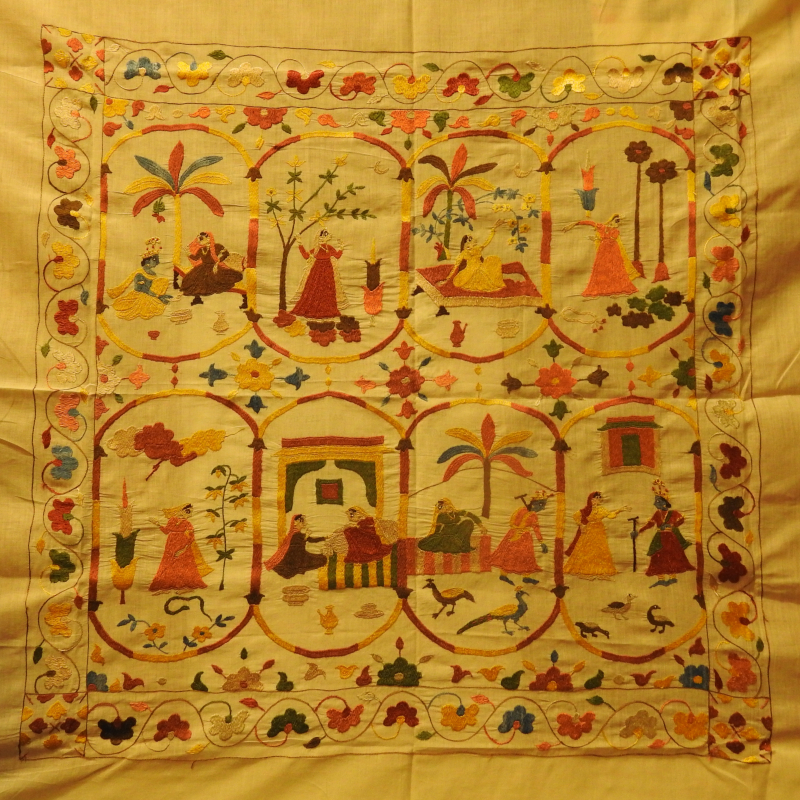
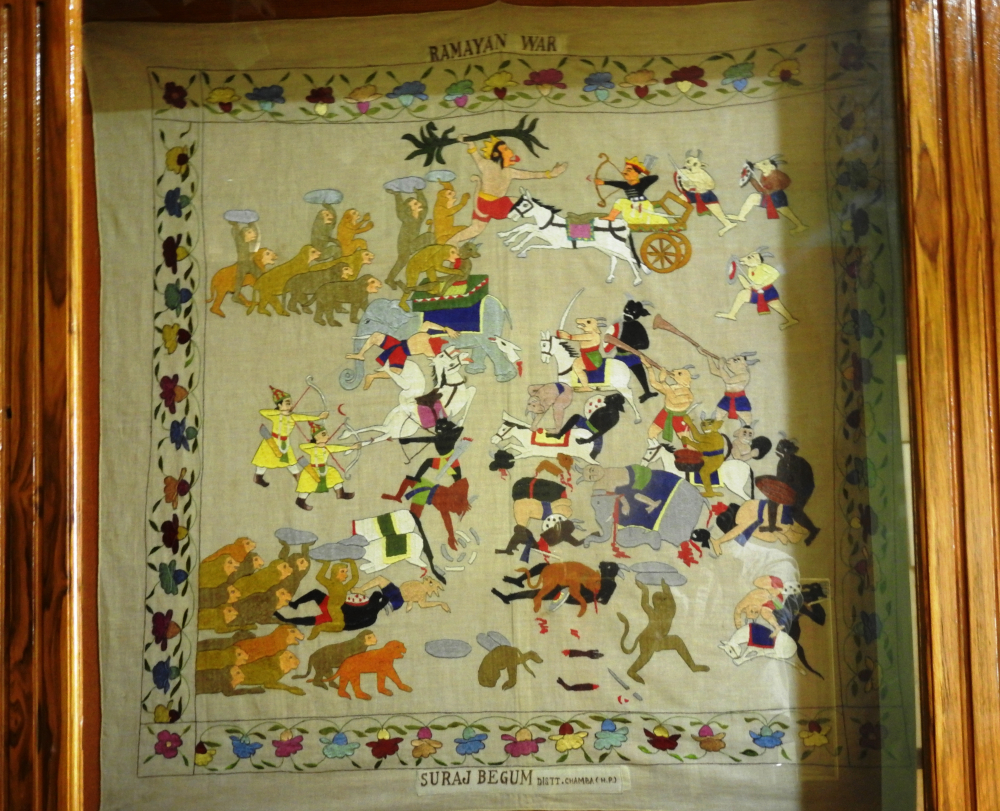
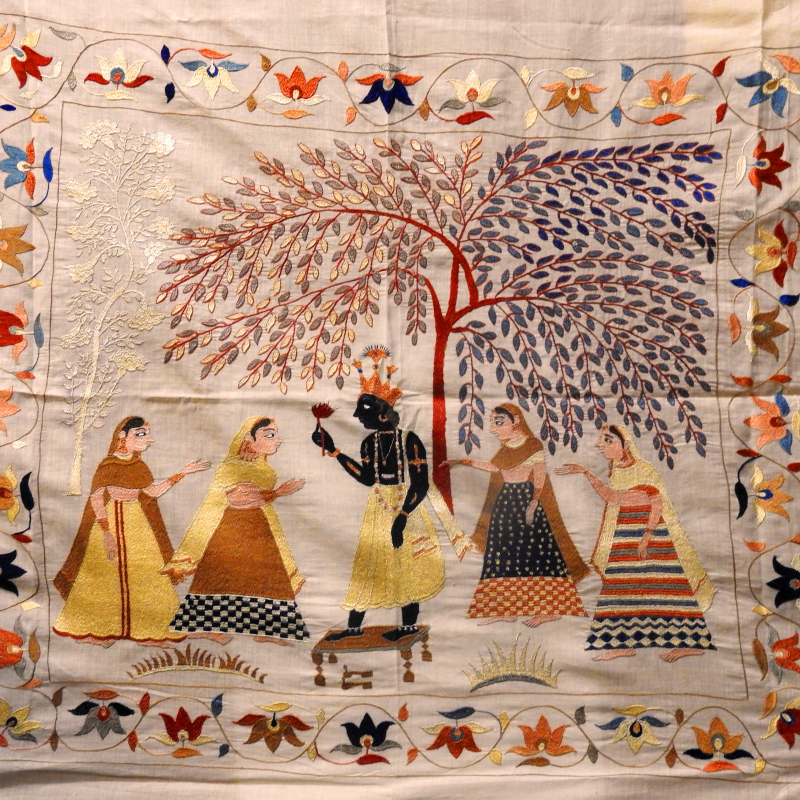
Whispers of love, strokes of tradition, and threads of devotion come together in the delicate artistry of the Chamba Rumal—a ceremonial cloth that tells tales of royalty, mythology, and resilience.
Legend whispered that the town’s very foundation was inspired by the loving gesture of a father towards his daughter. Raja Sahil Verman, the founder of Chamba, christened the town in honour of his beloved daughter, Champavati. It was her gentle touch, it is said, that pointed to the spot where the town would rise. Little did they know that this town would one day become the cradle of an enchanting art form — the Chamba Rumal